An enriching home gives a cat useful choices throughout an ordinary day. Those choices include places to rest, opportunities to scratch and explore, appropriate play, and ways to spend time with people without being handled constantly. Enrichment is therefore a question about how the home works for the cat, rather than how many toys the owner buys.
Start with observation. Notice which routes the cat uses, where they sleep, when they become active, and which activities they approach voluntarily. A quiet cat may enjoy a calm routine; a sudden withdrawal from familiar activities is a different matter and may need veterinary advice. Adding entertainment should not become a way to explain away changes in appetite, movement, or comfort.
Map the day before filling the room
Think through a normal working day from the cat’s perspective. What is available when the household leaves? Where can the cat rest while someone cooks or works? Is the only interesting view behind a closed door? Are food, water, and litter accessible without passing another animal? These questions often reveal a useful change before you purchase anything.
Write down one morning, afternoon, and evening observation. For example, the cat might watch the hallway during departures, sleep on a high chair while the house is quiet, and seek a game before the evening meal. That pattern suggests opportunities tied to their existing routine. It does not require scheduling an activity for every hour.
Also notice what the cat avoids. A toy may be unused because the floor is slippery, the room is noisy, or another cat occupies the doorway. If you move the activity to a comfortable setting, the same toy may become useful. Buying a more elaborate version without checking access can leave the actual problem unchanged.
Treat rest and hiding as enrichment choices
Cats need places where they can rest without being repeatedly approached. Offer a mix of sheltered and more open options where space allows. A stable box, an accessible bed, and a familiar chair can provide different experiences without creating an obstacle course. Let the cat choose rather than placing them inside each option to demonstrate it.
Check entrances and exits. In a multi-cat home, a covered bed with one doorway can become uncomfortable if another cat waits outside. A hiding place is less useful when leaving requires confrontation. Several resting areas in different locations allow cats to spend time apart without losing access to the household.
Protect these areas from unwanted handling. Children can learn that a resting or hiding cat is not available for play. Visitors should let the cat emerge independently. A retreat that is routinely invaded for cuddles is no longer a reliable retreat. The value comes from the choice and predictability, not the softness or price of the bed.

Add height only when the route is usable
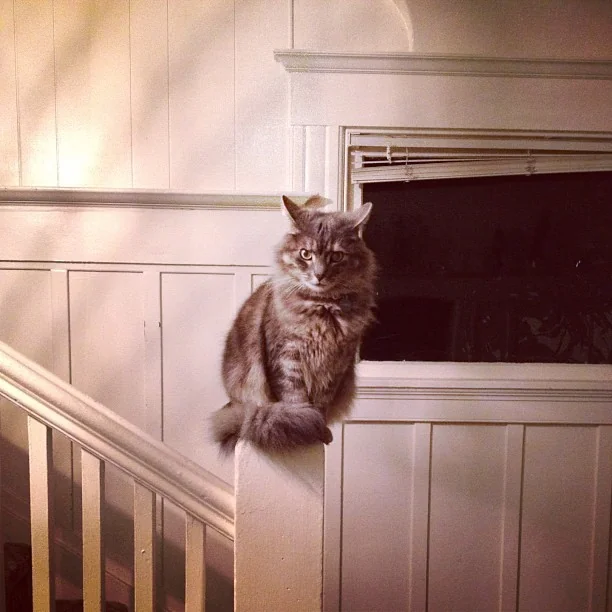
A stable perch can offer a different view and another resting location. Plan the route up and down as carefully as the top platform. Clear landing areas, nonslip surfaces, and manageable intermediate steps matter. A tall shelf that requires an awkward leap over fragile objects is not an automatic improvement.
Choose furniture and fixings appropriate to the structure, the cat, and the manufacturer’s instructions. Check stability regularly, particularly after moving or cleaning a tower. If you rent, consider what can be installed safely and what permissions are required rather than improvising attachments that may fail.
For a cat with reduced mobility, make favorite places easier to reach rather than simply adding greater height. An accessible low viewing place may offer more useful enrichment than an ambitious climbing wall. New hesitation or reluctance to jump deserves veterinary attention; it should not be treated only as a need for encouragement. A good route supports comfortable movement and a straightforward way back down.
Make scratching surfaces part of the layout
Scratching is an ordinary need, so provide suitable surfaces where the cat is likely to use them. Watch whether they prefer vertical stretching, a horizontal surface, or a particular texture. A scratching post hidden in an unused corner may be less appealing than the furniture beside their usual route.
Check stability and usable size. The cat should be able to scratch without the surface wobbling or slipping away. Place an option near a resting area if scratching often follows waking, and near an established target when you are offering an alternative. Protect vulnerable furnishings while the cat learns the new arrangement.
Do not take the cat’s paws and drag them across the scratcher. Encourage investigation without restraint and reward voluntary use when appropriate. Inspect worn material for loose pieces and unstable parts. If scratching patterns change suddenly alongside tension or conflict, look at the wider environment and seek advice where needed. A scratcher is a resource, not a punishment station for a cat caught touching the sofa.
Play like an invitation rather than a workout prescription
Use toys that keep teeth and claws away from hands and feet. Move a suitable lure in ways the cat can watch, stalk, chase, and catch, with pauses. Constantly waving a toy above the head or moving it faster when the cat stops may make the game less understandable rather than more exciting.
Let the cat choose how to join. Some watch before moving; others prefer a lure that briefly disappears behind a safe object. Offer achievable catches and a natural ending. Keep sessions manageable for the individual, and never exercise a cat to exhaustion to secure a quiet evening.
Inspect toys and store string-based items after supervised play. Loose ribbon, hair ties, and household elastic are not substitutes for appropriate toys. In multi-cat homes, individual sessions may prevent a confident cat from monopolizing the activity. A satisfying game is one the participant can access comfortably, not simply one that creates dramatic movement for a video.
Begin food activities at an easy level
If a food activity suits your cat’s diet and health, use part of the normal allowance rather than adding an unmeasured extra meal. Start with something easy enough that the cat can obtain the food without frustration. The aim is an interesting option, not making ordinary nutrition difficult to access.
Check the item for safe materials, cleanability, and parts that could trap or injure a paw. Follow product instructions. A homemade design still needs that assessment; inexpensive does not mean unsafe, but familiar household objects are not automatically appropriate. Supervise the first sessions and remove the item if it becomes damaged.
Keep an ordinary feeding option available as appropriate to the individual plan. A cat that cannot use a puzzle should not lose access to food while waiting to learn. If your cat needs a therapeutic diet or has a medical concern, ask your veterinary team which activities are suitable. Record whether the cat actually eats the intended portion rather than assuming an empty-looking device proves a successful meal.
Use windows thoughtfully and secure the boundary
A comfortable view may interest a cat, but access must be safe. Inspect windows, screens, and nearby surfaces, and do not assume a standard insect screen prevents a fall or escape. An open window creates a safety problem that a nearby perch cannot solve. Use an appropriate secure arrangement and seek specialist advice where necessary.
Watch the cat’s response to the view. A bird outside may create interest, while repeated visits from an unfamiliar cat may create tension. If the cat repeatedly crouches, rushes the glass, or redirects agitation toward a housemate, consider adjusting the view or access. More visual stimulation is not always better.
Keep blind cords and other hanging items inaccessible. Arrange the perch so the cat can leave without being crowded by people. A window station should become one choice among several, not the only appealing place available. For some individuals, a quieter interior resting spot may be the more comfortable option at a busy time of day.
Review usefulness instead of novelty
Choose one small change and observe it before adding several more. Note voluntary use, comfort, and whether another activity has been displaced. A cat spending more time on a new perch may simply prefer it; a cat no longer eating, grooming, or joining familiar interactions needs a broader check.
Rotate a modest selection of toys while keeping essential resources predictable. Remove damaged items, maintain structures, and preserve favorite resting places. Enrichment does not require constant novelty or an uninterrupted stream of entertainment. Quiet company and the option to disengage are useful parts of a good home.
If a problem continues despite thoughtful adjustments, take specific observations to your veterinary team and ask about qualified behavior support. A home audit can reveal barriers and opportunities, but it cannot diagnose illness or explain every behavior. The practical result to aim for is a cat that can reach what they need, choose activities that suit them, and rest comfortably between them.
Sources & further reading (2)
References and further reading. These do not replace advice from a veterinarian who knows your cat.
- Your Cat's Environmental Needs: Practical Tips for Cat Caregivers — Feline Veterinary Medical Association and International Cat Care
- 2024 AAFP Intercat Tension Guidelines: Recognition, Prevention, and Management — Feline Veterinary Medical Association