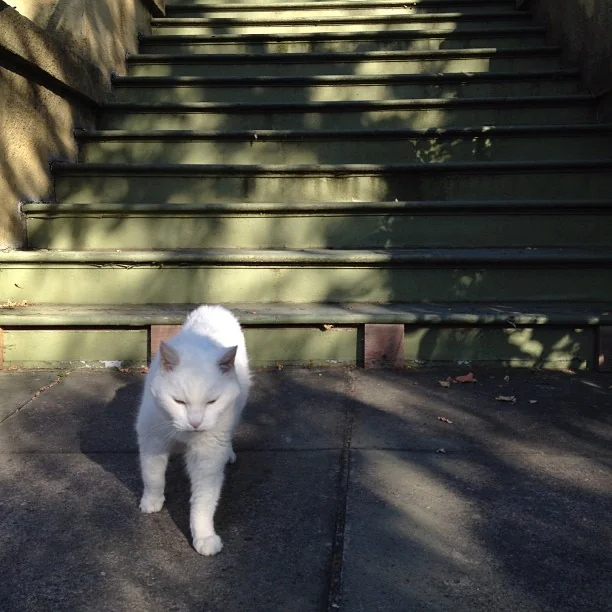
Let the cat choose how to join
Interactive play is most useful when it gives a cat a chance to follow, stalk, pounce, pause, and stop. It does not need to last a fixed number of minutes or happen at the same intensity every day. The AAFP and ISFM environmental-needs guidelines include play and predatory opportunities as parts of a supportive environment. The FelineVMA and International Cat Care caregiver guide recommends opportunities for play that let the cat engage in natural behaviors.
Choose a time when the cat is alert and not already resting or avoiding interaction. Keep a clear route around the room and leave a retreat open. If the cat does not approach, do not wave the toy over their face or follow them. Try another time or a quieter location. A cat watching from a distance may still be interested, but play should remain voluntary.
Move the toy like something worth following
Use a wand toy or another object that can be moved at a distance from hands. Try short movements along the floor, behind a cushion, or around a corner. Vary the pace and pause occasionally. Avoid repeatedly tapping the toy against the cat or making it dart directly toward them. Some cats prefer a slow, low movement; others respond to quick changes. Observe which pattern invites a voluntary chase.
Give the cat chances to reach and catch the toy. A session that ends with the object disappearing every time may be frustrating for some cats. After a catch, pause and allow the cat to hold or inspect the toy briefly if it is safe. Then restart or let the session end. Avoid laser play without a physical toy or other satisfying endpoint; if using a light pointer, guide it to a toy the cat can touch at the end.
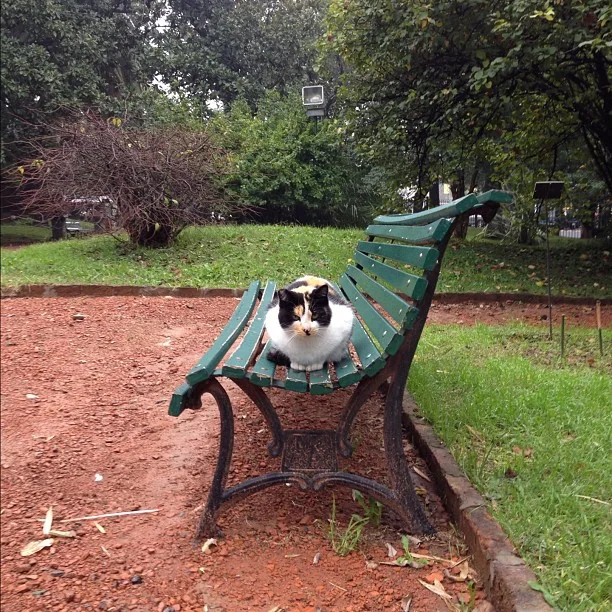
Keep hands and unsafe objects out of the game
Do not use fingers or feet as moving targets. It teaches a different game than you want and can lead to scratches or bites. Put string, elastic, feathers, small parts, and wand toys away after supervised use. Inspect toys for loose pieces and damage. Do not leave anything a cat could swallow or become tangled in unattended. A toy that is safe during active supervision may not be suitable to leave out overnight.
For kittens, keep movements gentle and give frequent pauses. For older cats or cats with mobility changes, use a floor-level toy and reduce jumping. If a cat seems painful, avoids movement, or suddenly stops playing, ask a veterinarian rather than treating it as boredom. This guide is not a way to diagnose a health problem or prescribe an exercise program.
Adapt the routine to the cat
Try a few different toy shapes and movement styles rather than assuming every cat likes the same wand or ball. Rotate a small selection so a familiar object can feel interesting again after a break. Food puzzles may suit some cats, but they should not replace normal access to food or create frustration. Supervise toys containing treats or small pieces and keep the cat’s usual diet in mind.
A multi-cat household may need separate sessions. One cat can monopolize a toy or make another cat reluctant to approach. Play in different rooms or give each cat a turn with a familiar person. Avoid interpreting a chase between cats as a play invitation unless both animals appear relaxed and can leave. If one cat repeatedly hides or is pursued, pause the shared activity and seek professional guidance if the pattern continues.
A repeatable five-step session
- Put away hazards and choose a clear space.
- Offer the toy at a comfortable distance and wait for interest.
- Move it in varied, low-to-the-ground paths with pauses.
- Let the cat catch or touch it if they choose.
- Put the toy away safely and note which movements the cat preferred.
End when the cat disengages, becomes overstimulated, or seems tired. A successful play routine is not measured by exhaustion. It is measured by whether the cat had a safe chance to participate, explore, and choose when to stop.
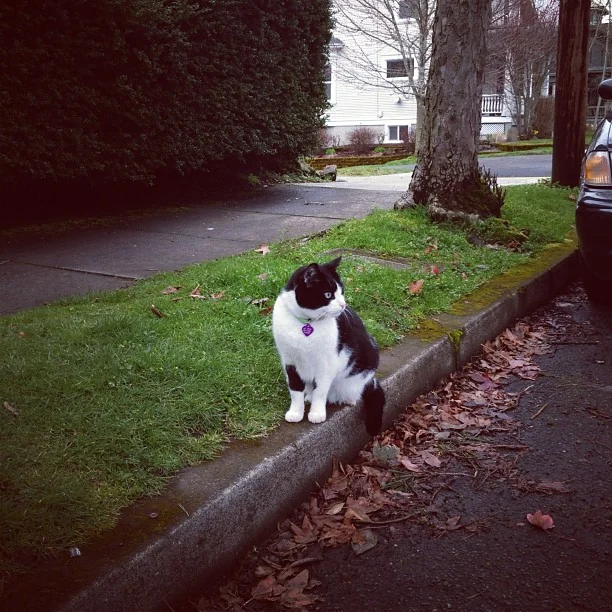
Discover the version of the game your cat understands
Watch the cat before changing the toy. Some cats become interested when movement pauses; others notice a lure crossing an open area or briefly disappearing behind a safe obstacle. If a cat watches without moving, do not immediately conclude that the toy is boring. Try a slower, clearer sequence and give the observer time to decide whether to join.
Use a comfortable surface and clear the route. A toy sliding under unstable furniture or across a slippery floor can create difficulty unrelated to interest. Keep people and other animals from crowding the play area. The best place for a game may be a quiet stretch of floor rather than the middle of the room where everyone wants to watch.
Avoid relying on one successful session as a permanent preference. Time of day, interruptions, and the cat’s condition can affect participation. Keep a short note of what worked without turning it into a demand that the same response appear every evening. A familiar game can remain interesting while the exact pace and duration change.
Give the cat achievable catches
A lure that remains forever out of reach can produce movement without offering a satisfying sequence. Let the cat make appropriate contact with a suitable toy, and use pauses rather than immediately pulling it away. Keep your hands outside the catching area and avoid turning the reward for a successful pounce into a wrestling match with skin.
Do not lift the toy repeatedly above comfortable reach or encourage risky leaps for dramatic results. Think about landing surfaces and nearby objects. A small, grounded game can be useful for a cat that prefers it. If movement appears painful or previously easy actions become difficult, seek veterinary advice instead of encouraging a bigger effort.
When using a wand, inspect the attachment and string before play and store the entire item afterward. A toy that is appropriate under supervision may be unsafe left available. Remove damaged parts promptly. If the cat tends to chew or swallow pieces, select a different activity and discuss persistent non-food eating with the veterinary team.
Plan individual opportunities in a shared home
When several cats are present, watch whether each one gets a genuine chance to play. A quieter cat may remain nearby but never approach because another takes over every movement. Separate sessions can reveal preferences that disappear in a group. Do not interpret withdrawal from competition as a complete lack of interest in play.
Use separate comfortable locations when necessary and maintain ordinary access to resources. Closing a door for a session should not leave another cat without food, water, litter, or a resting option. Keep the arrangement predictable so a useful game does not create conflict elsewhere in the home.
If a game repeatedly leads to chasing or tension between cats, stop and review the situation. Increase distance and avoid presenting one highly valued toy between animals that are already uncomfortable together. A play routine should not be used as an improvised introduction process. Persistent relationship problems may need an individual plan from the veterinary team and a qualified behavior professional.
End in a way that is easy to repeat tomorrow
Reduce movement and allow a final suitable catch rather than abruptly lifting the toy away during intense pursuit. Put equipment safely out of reach, then return to an ordinary calm activity. Food can be part of an established routine if appropriate, but include it within the daily allowance rather than adding a full extra meal because a session took place.
Look for the cat’s natural pause points. Turning away, settling, or losing interest is information to stop, not a reason to escalate stimulation. Do not exercise the cat to exhaustion or treat panting as proof of an effective workout. Breathing difficulty requires urgent veterinary advice, regardless of the activity that preceded it.
Review success by comfortable voluntary participation and safe recovery to ordinary behavior. A brief game may be enough for one occasion. Leave room for resting, observation, and quiet company during the rest of the day. The routine becomes sustainable when the owner can offer it consistently and the cat can understand, join, and leave without pressure.
Sources & further reading (2)
References and further reading. These do not replace advice from a veterinarian who knows your cat.
- AAFP and ISFM Feline Environmental Needs Guidelines — Journal of Feline Medicine and Surgery
- Your Cat's Environmental Needs: Practical Tips for Cat Caregivers — Feline Veterinary Medical Association and International Cat Care