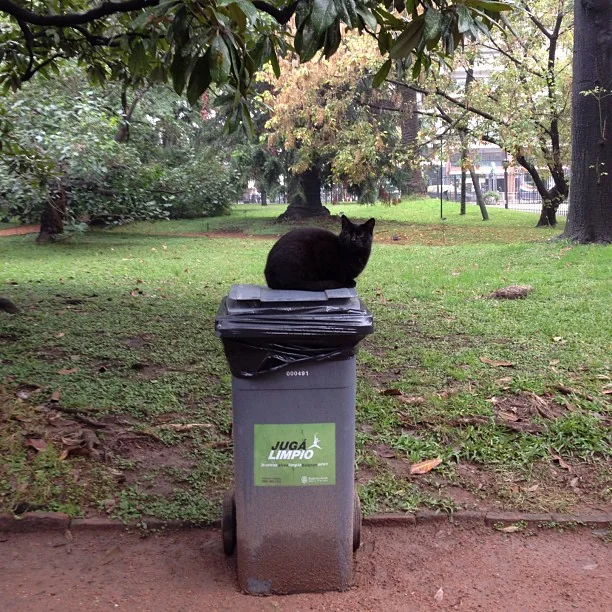
Bunny-kicking describes a cat gripping an object while kicking with the hind legs. It may appear during play or in a defensive interaction, so context matters. A hand or arm is not a suitable object for practicing the movement.
Offer distance from skin
Choose a robust cat toy sized for gripping and kicking, without loose pieces. Introduce it while the cat is comfortable, or use an interactive game that keeps your body out of reach. Inspect toys regularly and remove damaged items.
Avoid inviting the wrong target
Do not wrestle with hands or rub the belly because the cat is on their back. If the cat grips you, stop escalating the interaction and disengage safely rather than tugging into a more intense game. Ask a professional for help if this is recurring or causes injury.
New aggression, a reaction to touch, or a cat that seems painful needs veterinary attention. For ordinary play, offer chances to stalk, catch, and disengage, with pauses and a clear end. Put string toys away afterward. A kicking toy can provide an outlet, but it does not replace learning which situations the cat finds comfortable. Protecting hands starts with the games you invite.
Describe the movement before assigning a motive
Bunny kicking usually describes a cat gripping an object with the front limbs while making rapid kicking movements with the hind legs. Owners often notice it during wrestling with a soft toy. The movement can also appear when a cat is trying to create space during unwanted handling. What the cat is holding, what happened beforehand, and whether it can disengage help distinguish those situations.
Avoid treating the action as a fixed statement such as I am angry or I want my belly rubbed. A clip of hind-leg movement cannot answer the whole question. Watch the sequence, including the moment the cat first approached or was touched. That gives you a practical basis for adjusting play or ending handling without guessing at an elaborate hidden intention.
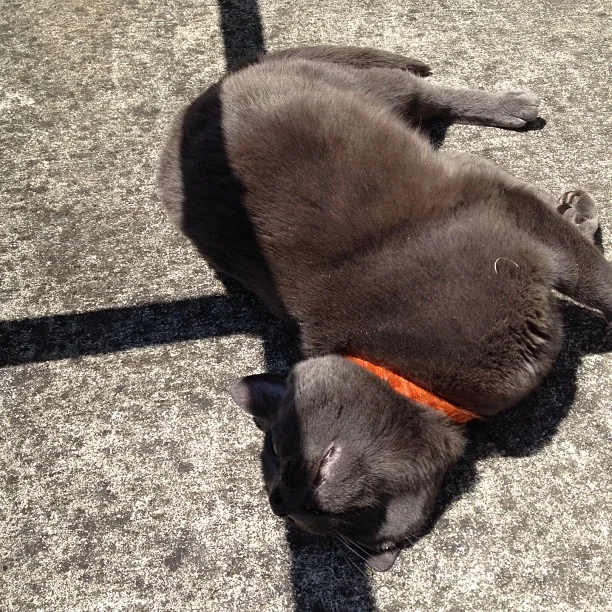
Offer an object that keeps the game away from skin
A suitable kicker toy gives the cat something to grip while keeping hands out of the wrestling space. Choose a size and construction appropriate to the cat, with seams and attachments that remain intact during use. Check it regularly for loose stuffing, threads, or damaged fabric. A toy used for vigorous gripping needs a different inspection than a decorative cushion nobody touches.
Place the toy beside the cat or move it in an appropriate play sequence rather than pushing it into the abdomen. Let the cat choose to engage. Once the cat is gripping and kicking, avoid reaching between its paws to reposition the toy. Give the game room and wait for a natural pause before changing equipment or collecting the item.
Do not turn hands into wrestling partners
Small kitten grabs may seem harmless, but using fingers as prey makes the boundary between play and human skin less clear. Keep hands responsible for directing suitable toys at a safe distance. If several people interact with the cat, agree on this rule together. One person encouraging hand wrestling can undermine everyone else’s effort to make touch predictable and comfortable.
If a cat catches your hand, avoid yanking it back and creating more movement. Stay as calm as possible, stop adding stimulation, and create an opportunity to release and separate safely. Use a barrier where necessary rather than placing another hand into the gripping area. Afterward, review what led to the incident instead of immediately restarting the same game to see whether the cat will behave differently.
Treat belly exposure cautiously
A cat lying on its side or back may be resting, stretching, playing, or responding to a situation. That posture does not automatically invite a hand on the belly. If touching the abdomen repeatedly leads to grabbing and kicking, stop offering that interaction. You do not need to keep testing a sensitive area to confirm a preference the cat has already shown.
Choose areas and forms of contact the cat normally welcomes, then pause. A brief cheek stroke or quiet company may fit the moment better than handling the torso. If the cat rolls over while you are nearby, allow that movement to remain a comfortable posture. Owners can appreciate the relaxed company without turning every exposed surface into an opportunity for touch.
Watch how excitement builds during a session
Look for a change from flexible play into tense or difficult-to-interrupt activity. The cat may start gripping harder, redirecting toward nearby hands, or remaining highly focused after the toy stops. Tail movement, posture, and ability to pause add context. There is no universal timer that tells you exactly when this change will happen in every cat.
Use short sessions and vary the pace. Allow stalking, chasing, pauses, and catches rather than continuous frantic movement. End with a manageable finish and a quieter activity. If you repeatedly play until the cat is overwhelmed, the final moments may teach everyone that play is unpredictable. Stopping earlier preserves a more useful routine and reduces the need to separate from an intensely aroused cat.
Make the floor and surroundings suitable
A cat wrestling on a slippery surface may slide into furniture or lose its grip. Offer a stable area with enough space around the toy. Move fragile objects, loose cords, and items the cat could swallow out of reach. Keep other animals from crowding the play space, particularly if the cat becomes possessive of an interesting toy or reward.
Watch the toy’s path as well as the cat. Avoid dragging a wand directly across your feet or toward a child’s lap. The cat follows the moving target, so your choices determine where the chase ends. Planning the movement away from people is a simple way to preserve the enjoyable part of the game while reducing accidental contact.
Help children recognise when the game changes
Children may interpret a cat’s roll and paw movement as an invitation to join physically. Explain that the cat wrestles with its own toy and people keep their bodies outside that space. An adult should manage any interactive equipment and supervise closely. If the cat grips a child or becomes too excited, end the interaction calmly and create separation.
Do not ask a child to pull the toy from the cat’s paws or demonstrate bravery by touching the belly. Give the child another useful job, such as placing a safe toy on the floor before the session or helping put equipment away afterward. Participation should support comfortable play, not require close contact with claws during the most vigorous part of the activity.
Investigate a new defensive response
If a previously comfortable cat suddenly kicks during ordinary handling, consider whether the handling has become uncomfortable. Note the location of touch, recent changes in movement, and any other signs of illness. Avoid repeatedly reproducing the response to check whether it still happens. Arrange veterinary advice when the change is new, persistent, or associated with apparent pain.
A medical assessment and an environmental review can both be relevant. Perhaps the cat has a sore area, perhaps someone is holding it differently, or perhaps another animal is approaching during contact. Do not decide the explanation from the kick alone. Give the cat space and share a factual account of the sequence with the professional helping you assess it.
Separate normal toy wear from unsafe deterioration
Kicker toys can become flat, torn, or damp with repeated use. Rotate suitable toys if that keeps play interesting, and follow cleaning instructions. Remove a toy with escaping filling or long loose threads rather than allowing one final session. Store any equipment that needs supervision where the cat cannot retrieve it independently, including toys with elastic or dangling parts.
The aim is not to eliminate every hind-leg kick. It is to give vigorous play an appropriate target and recognise when a similar movement means handling should stop. A cat that can wrestle a sturdy toy, pause, and return to ordinary activity has a useful outlet. A person who respects the difference between that game and unwanted restraint is better placed to keep the relationship comfortable.
Sources & further reading (2)
References and further reading. These do not replace advice from a veterinarian who knows your cat.
- Cats and play — Cats Protection
- Keeping cats indoors — RSPCA