
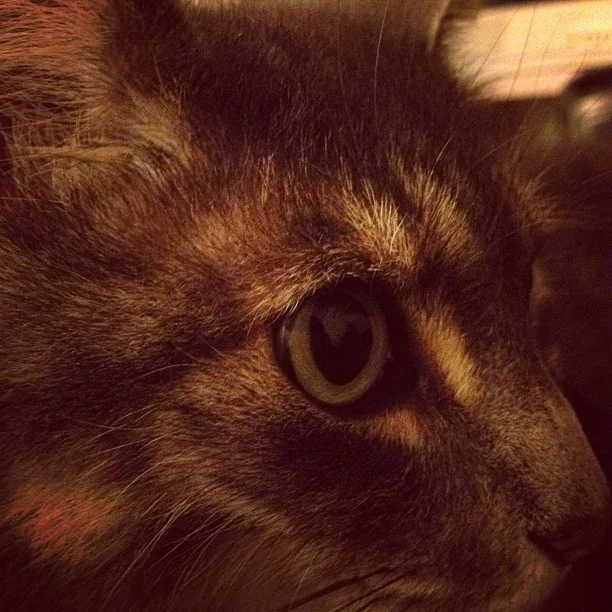
A stare may occur while a cat waits for a familiar event, watches movement, or assesses something uncertain. It does not prove the cat is challenging you or trying to communicate one particular message. Look at timing and posture before reacting.
Track the ordinary explanation
Does staring happen near the food cupboard, beside a closed door, or when you move a familiar toy? Check that routine needs are met, but avoid turning every stare into an extra meal. If attention is welcome, invite a short game or quiet interaction.
Keep the encounter comfortable
Do not lean close and stare back at a tense cat. Soften your posture, give room, and let them look away or move off. Visitors should use the same approach with an unfamiliar cat.
A fixed gaze accompanied by unusual disorientation, apparent vision changes, or other new behavior needs veterinary advice. Distinguish a familiar household habit from a sudden change. You can keep a brief note of what preceded the stare and what happened next. That record is more useful than assigning supernatural motives or a human social meaning. Sometimes the best response is simply to let a comfortable cat observe the room.
Reconstruct the moment before the stare
Start with what you and the cat were doing immediately beforehand. Were you preparing food, opening a cupboard, sitting down at a familiar time, or moving toward a closed door? Cats learn household patterns, and a sustained look may occur during anticipation of a familiar event. That does not prove the cat is issuing a single precise request, but the setting gives you something practical to check.
Compare several examples rather than naming a motive from one encounter. A cat watching you near the food cupboard and a cat watching from behind a chair during a visitor’s arrival may be responding to very different situations. Record the location and what the cat does next. The continuation often clarifies the interaction more than the length of eye contact alone.
Include the rest of the body
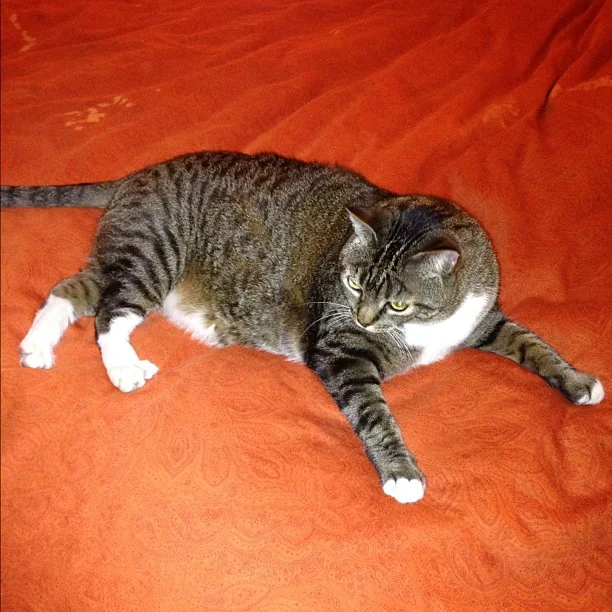
A relaxed cat sitting nearby with a loose posture is different from a crouched cat with a tense body and restricted escape route. Look at ear movement, tail position, whisker area, and whether the cat can disengage comfortably. Eyes can appear wider because of lighting as well as arousal, so pupil size by itself is not a reliable emotional translation.
Keep your response proportionate. If the cat looks comfortable, you may simply continue your activity. If the cat appears tense, reduce pressure instead of leaning closer to inspect its face. Avoid placing your face within reach of a cat you do not understand. Understanding a look should begin with enough distance that both of you have room to choose what happens next.
Check ordinary resources without making assumptions
Verify that water, a usable litter tray, resting areas, and any scheduled meal are available as expected. A closed door or moved chair can interrupt a familiar route even when the owner sees nothing unusual. If the cat repeatedly looks toward the same place and then back at you, follow the route visually and look for a practical obstacle.
Do not respond to every stare with an extra portion of food. That can create a routine in which watching the owner reliably produces another snack, regardless of the original reason. If meals are due, provide the planned meal. If they are not, consider a brief play opportunity or quiet company where appropriate. A predictable daily pattern is easier to manage than a rule that eye contact always changes the feeding schedule.
Notice whether your own reaction maintains the pattern
Owners naturally respond to a cat looking at them. You might speak, stand up, open a door, or offer a treat. Over time, the cat may repeat the action because it reliably produces an interesting result. That is an ordinary learning process, not evidence of manipulation or an attempt to dominate the household.
Choose a response that fits the routine you want. For example, you can greet the cat briefly without immediately interrupting work, then begin play at a planned break. If you offer attention, keep it calm and consistent. Avoid alternating between excited engagement and irritation, since that makes your response less predictable. You are designing a workable household interaction rather than trying to win a contest of wills.
Give comfortable eye contact an unhurried ending
You do not need to hold a staring contest. Look softly, turn your head slightly, and return to what you were doing. If the cat is relaxed, a quiet greeting may be enough. Some owners enjoy a slow blink during a calm exchange, but avoid treating any response as a compulsory signal of affection. The cat can remain comfortable without performing a particular movement on cue.
Let the cat approach if it wants contact. If it stays where it is, do not close the distance simply to make the interaction feel complete. A cat may be content to watch from a preferred bed. Sharing a room can be social without continuous touching. Giving that arrangement value helps owners appreciate ordinary companionship instead of interpreting every look as an unanswered demand.
Change the situation when the stare accompanies tension
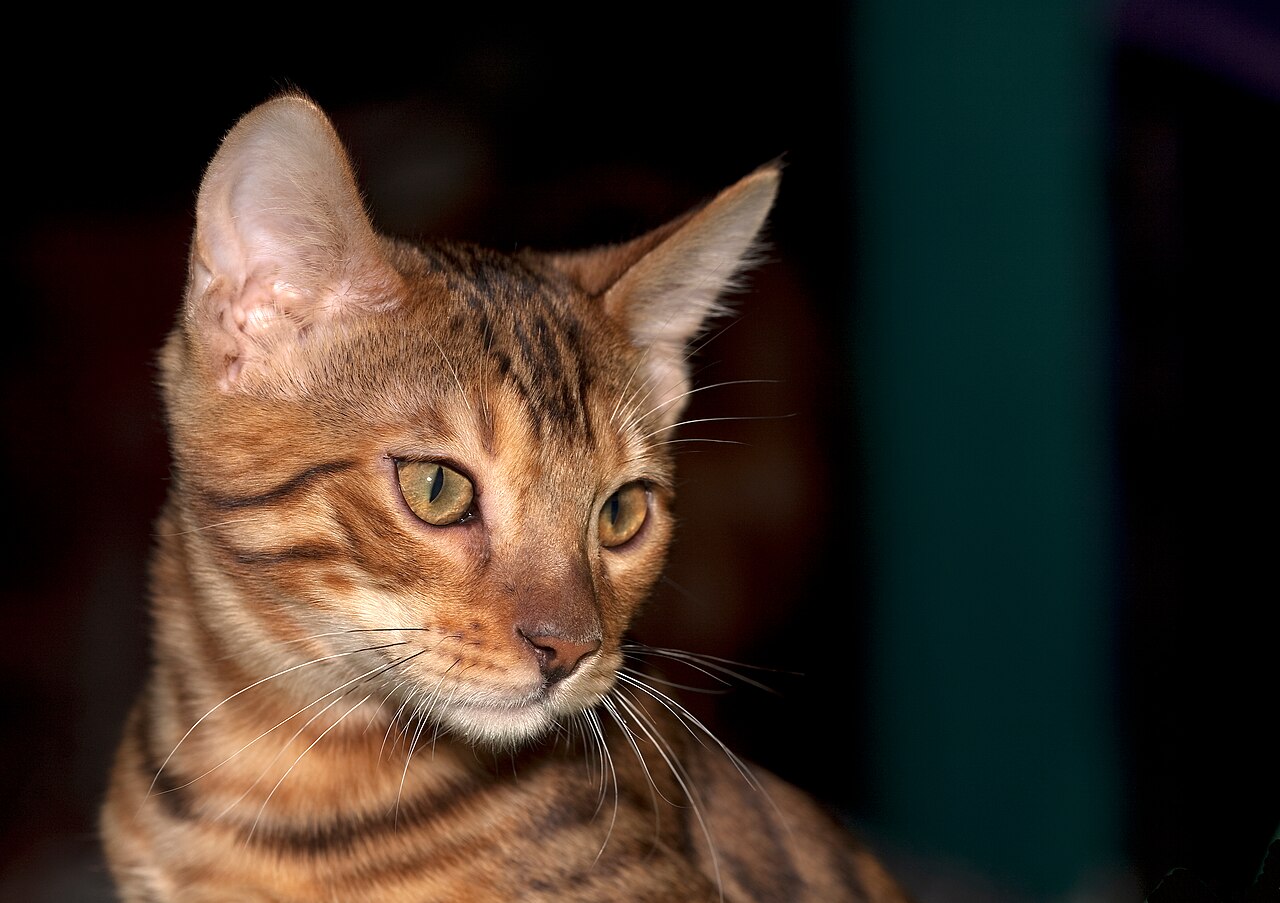
If staring occurs during conflict between cats, do not focus only on the animal closest to you. One cat may be monitoring the other, blocking a route, or waiting beside a resource. Watch entrances, narrow corridors, and the approach to food or litter trays. Separate resources and create alternative routes so a cat does not need to pass a watcher to meet an essential need.
If a person is the immediate source of tension, stop reaching or advancing. Give the cat a quiet exit and ask others to move away. Do not punish the stare with shouting, water spraying, or a sudden movement meant to surprise the cat. Those reactions can make people harder to predict and leave the underlying difficulty unchanged. Distance and a calmer setting are more useful first steps.
Review the evening routine if watching turns into ambushing
A cat that watches from a corner and then chases your ankles may be responding to movement as part of play, although discomfort or other explanations can also matter. Record when it happens and what activity precedes it. Avoid encouraging games with hands and feet, and offer appropriate interactive play before the time the pattern usually occurs.
Move a toy away from your body so the cat has a suitable target at a safe distance. Keep toys that require supervision stored afterward. If an ambush happens, protect yourself and create space without chasing or striking the cat. Frequent, intense, new, or injurious biting warrants professional assessment. An internet interpretation of a stare cannot establish the reason for behaviour that puts someone at risk.
Consider changes in vision, comfort, and general behaviour
A new fixed look, unusual disorientation, apparent difficulty seeing, or other abrupt behavioural change deserves veterinary advice. Note whether the cat is navigating normally, responding to familiar sounds, eating, and using the litter tray. Do not repeatedly wave objects at the face or shine a bright light into the eyes to test vision at home.
Seek prompt help for signs of eye discomfort or a sudden suspected vision change. The fact that a cat appears to be looking directly at you does not prove it sees normally or feels well. Keep the environment predictable while getting advice, and avoid rearranging familiar routes unnecessarily. Share the time of onset and any associated symptoms so the clinic can decide the appropriate next step.
Use observation to build a practical answer
For a recurring, otherwise comfortable stare, keep a short note for a few days: time, room, activity, body posture, and your response. Look for a pattern you can address. Perhaps the cat wants access to a room after lunch, regularly watches your work break, or settles beside you each evening. A small record can turn a mysterious habit into an understandable part of the day.
There does not have to be one universal translation. A cat can watch for information, anticipate a routine, seek interaction, or monitor something uncertain. Respond to the actual setting, preserve the cat’s ability to leave, and investigate sustained changes. The most useful outcome is a comfortable routine and clearer observation, not an elaborate story about what the cat must be thinking whenever its eyes meet yours.
Sources & further reading (2)
References and further reading. These do not replace advice from a veterinarian who knows your cat.
- Understanding your cat’s behaviour — RSPCA
- Cat behaviour guide — Cats Protection