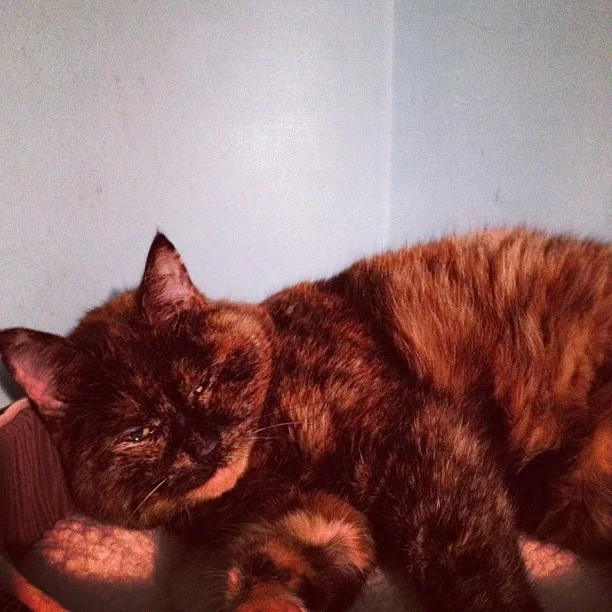
A chase can look dramatic while both cats are willing participants. It can also conceal one cat repeatedly trying to escape. Watch the whole interaction and what each cat does afterward rather than judging from a single tumble.
Look for opportunities to leave
Do the cats pause, switch roles, and rejoin voluntarily? Can either move away without being followed or blocked? Persistent hiding, tense avoidance, or guarding doorways suggests the interaction is not comfortable for everyone.
Intervene safely when needed
Never put hands between cats in conflict. Create distance using a safe barrier or separate areas when you can do so without handling aroused cats. Let them settle before attempting contact. Avoid punishment or forcing a reunion.
Check resource access between episodes: food, litter, water, and resting places should not require passing the other cat. Keep a record of location, timing, and the cats’ later behavior. Injuries need veterinary attention. Ongoing tension warrants advice from your veterinary team and a qualified behavior professional. Success does not have to look like cats sleeping together. Quiet coexistence, normal routines, and freedom to move without pursuit are useful measures of improvement.
Watch a complete exchange rather than one dramatic frame
A photograph of paws, open mouths, or a tumble can be difficult to interpret without the sequence around it. Observe how the encounter begins, whether the cats pause, and how each behaves afterward. Does one return voluntarily when there is room to leave? Does the other continue pursuing after the first has moved away? These questions direct attention to choice instead of the visual drama of wrestling.
Avoid provoking another encounter to obtain better footage. If an interaction happens naturally and it is safe to observe, a short recording may help a professional understand the pattern. Your priority remains preventing injury and preserving comfortable access. A video should document ordinary behavior, not become a reason to let an uncomfortable encounter continue while you wait for a clearer answer.
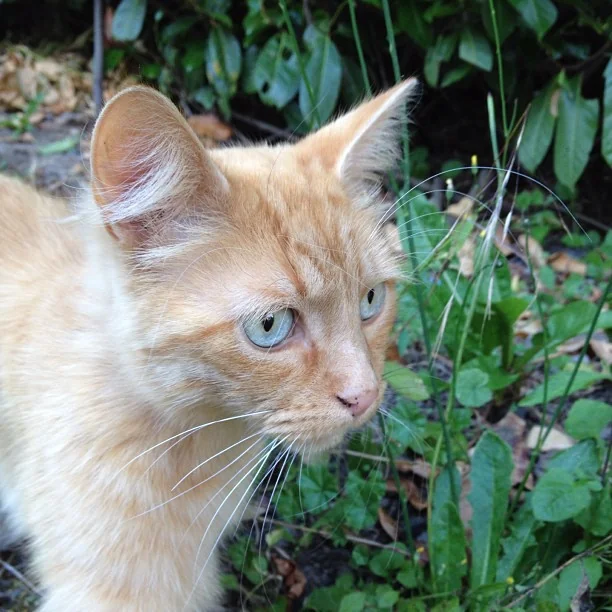
Compare participation from both cats’ perspectives
An energetic pursuer may appear to be having a wonderful time while the other cat is trying to disengage. Watch the quieter animal’s route, posture, and later behavior. Is there somewhere they can go without being followed? Do they resume eating, resting, or exploring afterward, or spend a long period avoiding the shared area? The relationship cannot be judged solely by the more obvious participant.
Size and age can also make an interaction uneven without telling you its exact cause. Do not assume a larger cat is always the aggressor or a kitten’s repeated approaches are automatically welcome. Look at what each cat is actually choosing. If the pattern repeatedly leaves one animal unable to rest or move freely, it needs management even when you are uncertain whether a particular moment technically counts as play.
Look for pauses that are genuine opportunities to leave
A pause is useful when it allows either cat to change activity. Watch whether the animal that moves away can remain away. A brief stop followed by immediate pursuit into a hiding place is different from both cats settling independently. Similarly, taking turns is more informative when the switches are voluntary rather than one cat becoming trapped in a new position.
Do not force a test by holding one cat still or placing them back beside the other. You can learn more by making the environment easier to leave and observing the result. Keep familiar resting places available and avoid dead ends. If the cats choose distance, allow it. A comfortable relationship does not require constant interaction, and respecting a break can prevent an otherwise manageable situation from becoming too intense.
Check the resources outside the play session
Draw a simple map of food, water, litter, scratching, and resting places. Mark the routes between them and any narrow doorway or staircase. One animal can control access quietly without an obvious fight. A cat that only visits the kitchen when the other is asleep may be organizing life around avoidance rather than enjoying a relaxed shared home.
Place useful alternatives in genuinely separate locations where needed. Several bowls together are not necessarily several accessible feeding stations. A second bed on the same guarded tower may not solve a resting problem. Observe changes for both cats after adjusting the layout. The purpose is to make everyday needs reachable without confrontation, not to add equipment until the home looks well supplied on paper.
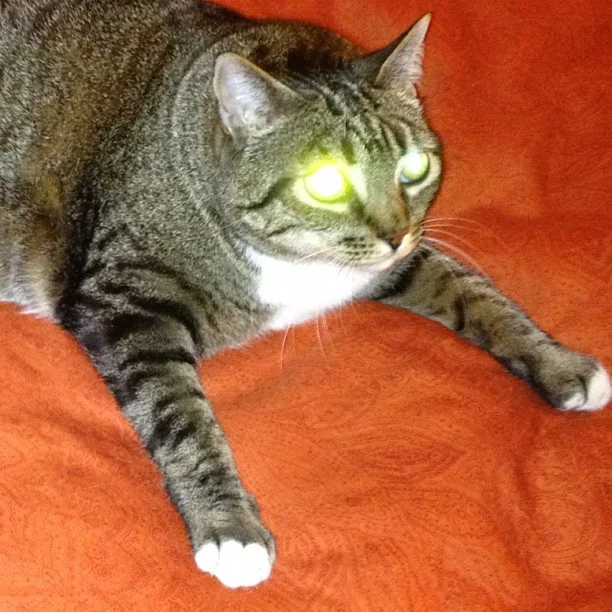
Offer activities that do not create another competition
Individual interactive play may provide an appropriate outlet for a cat that persistently solicits activity from a reluctant housemate. Use a toy that keeps hands and feet out of the game, allow achievable catches, and store strings afterward. Keep the session suited to the individual instead of trying to exhaust them into leaving the other cat alone.
Separate games can also reveal a quieter cat’s preferences. A cat that ignores toys in a group may play comfortably when not competing. Do not wave one highly valued lure between cats already showing tension and expect it to make them friends. The activity should be accessible without pressure. If food rewards are used, account for them in the daily allowance and keep the arrangement from becoming a resource contest.
Interrupt escalating conflict without putting yourself between cats
Do not reach into a fight or lift an intensely aroused cat with bare hands. Use safe distance and an appropriate barrier if you can do so without approaching the animals dangerously. Allow access to separate comfortable areas and give time to settle. Ask your veterinary team for advice about a recurring situation and an individual management plan.
Avoid punishment, shouting at one chosen culprit, or immediately forcing a reunion to end on a good note. These actions can add stress and do not establish why the encounter happened. Check for injuries once it is safe and seek veterinary attention where needed. If someone is bitten through the skin, obtain appropriate medical advice. A household plan should protect people as well as animals, rather than depend on physically separating every encounter.
Treat a new relationship change as useful health information
If cats that previously coexisted comfortably begin avoiding or attacking one another, record the timing and other changes. Include appetite, grooming, movement, toileting, visitors, and altered access to rooms. Do not assume jealousy or a new dominance arrangement explains everything. Discomfort or illness can affect social behavior, and your veterinary team should hear about the change.
Keep observations specific enough to support assessment: who approached, where the event occurred, how long it lasted, and what happened afterward. A label such as bullying may describe your concern without identifying the sequence. If health concerns have been considered and tension persists, ask about a qualified behavior professional. Advice should fit the actual relationship and home rather than rely on making the cats share a room until they adjust.
Choose a realistic measure of improvement
Look for ordinary routines becoming easier: both cats reaching resources, resting without interruption, using shared areas at comfortable times, and disengaging without pursuit. Some pairs may groom or sleep together; others may maintain a respectful distance. Neither a cuddling photograph nor the absence of a loud fight is enough by itself to establish welfare.
Review the plan after household changes, including a move, illness, visitors, or a new work schedule. Relationships can need adjustment when the environment changes. If safe coexistence remains difficult, seek individual professional help rather than repeatedly staging encounters to see what happens. The useful answer to play or fighting is not always a single label. It is a practical understanding of whether both cats can participate, stop, and live comfortably between interactions.
Sources & further reading (2)
References and further reading. These do not replace advice from a veterinarian who knows your cat.
- Understanding your cat’s behaviour — RSPCA
- Cat behaviour guide — Cats Protection