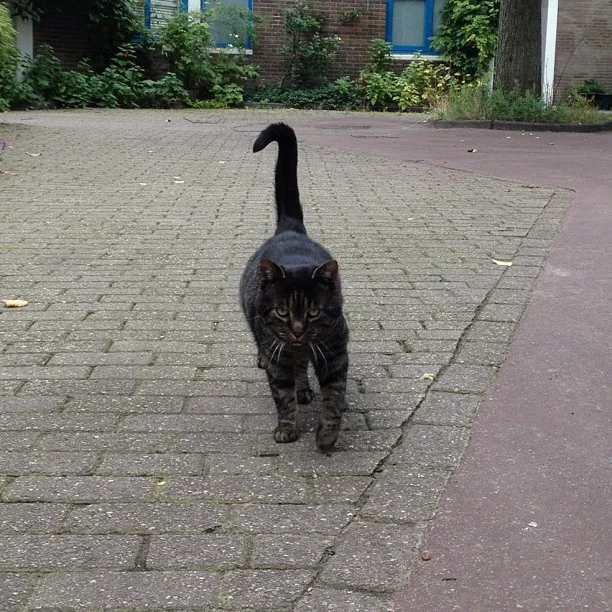
Start with a simple floor plan
In a multi-cat home, access can matter as much as the number of bowls or beds. A cat may avoid a resource if reaching it means passing another cat in a narrow hall, entering a noisy room, or crossing a spot where they have been chased. Sketch the rooms and doors on paper. Add the places where each cat eats, drinks, rests, hides, scratches, and toilets. Then mark the common routes between those points.
The AAFP and ISFM environmental-needs guidelines recommend multiple key resources placed separately. The 2024 AAFP intercat tension guidelines emphasize recognizing subtle conflict and providing a household setup that reduces competition. These are design principles, not a rigid count that fits every floor plan.
Look for bottlenecks and dead ends
Circle narrow doorways, stair landings, and corridors that a cat cannot pass without approaching another animal. Mark any resource with only one exit, such as a litter tray pushed into a corner or a bed inside a small cupboard. A cat may feel trapped if another cat can block the entrance. Add an alternate route or move that resource to a more open, calm location when possible.
Watch actual movement rather than assuming that cats who sit in the same room are comfortable. Notice whether one cat waits for another to leave before eating, walks around a favored doorway, or uses a resource only at night. If you are not sure, observe quietly from a distance or use a camera without placing it where it could startle the cats. A map helps turn vague concern into a specific question: where does the route narrow, and which cat changes direction?
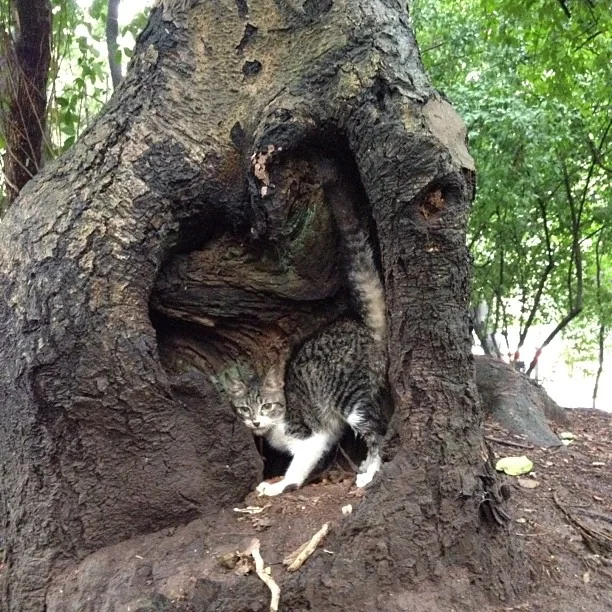
Separate essential stations
Place food and water in distinct locations. For cats that compete, individual feeding areas with visual separation can make it easier to eat without monitoring a housemate. Avoid lining every bowl along one wall if a cat can guard the whole row. Place water away from litter and consider more than one accessible drinking point. Keep food, water, litter, scratching, and resting choices distributed rather than clustering them all in one room.
Offer more than one comfortable resting or hiding option. Some cats prefer an elevated perch; others want a covered floor-level refuge. Make sure an older or mobility-limited cat can access at least one resting area without jumping. Scratching surfaces should also be available in separate places, particularly near routes and resting zones the cats already use. One expensive structure does not replace several accessible choices if a cat can control access to it.
Adjust for social groups, not just headcount
Two cats may share a home while behaving as separate social groups. Friendly resting or grooming can suggest affiliation, but shared space alone does not prove that a cat wants to share a meal, litter area, or bed. Create a resource plan that lets cats choose whether to be near one another. If a household includes a newcomer, preserve separate base areas and progress through introductions at a pace both cats can tolerate.
Move one resource at a time and observe for a few days. A complete room redesign can make it hard to learn which change helped. Keep the floor plan and update it when furniture, doors, mobility, or household membership changes. If conflict, hiding, reduced eating, or elimination changes appear, consult a veterinarian or qualified behavior professional; pain or illness can influence social behavior and should not be assumed to be a “territory issue.”
Five-minute map review
- Can each cat reach food, water, litter, and rest without crossing a guarded route?
- Are important resources in separate locations with a clear exit?
- Does each cat have a quiet hiding place and an accessible elevated option?
- Can a cat avoid another animal without losing access to essentials?
- Which single low-cost adjustment can you make and observe this week?
The map is useful because it turns “add more stuff” into a household-specific plan. Prioritize access, separation, and choice; then let the cats’ movement show whether the layout is working.
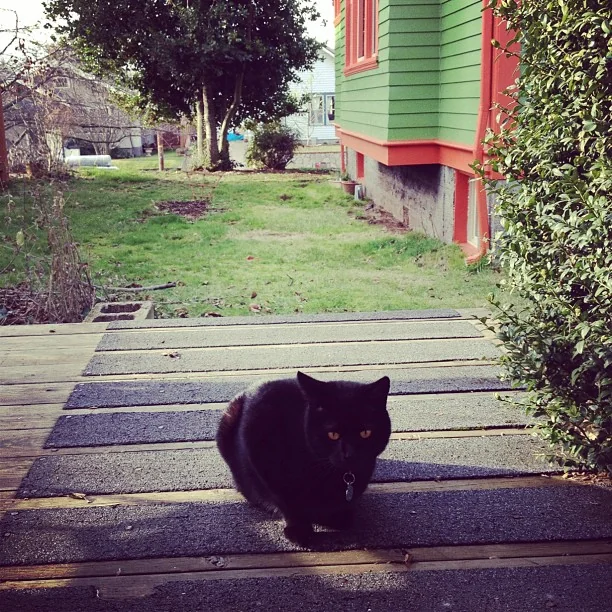
Build the map from a normal day of observation
Start with a rough floor plan and mark doors, narrow passages, stairs, and the resources already present. Then watch where each cat actually spends time. A bowl’s location matters less if one cat never reaches it comfortably. Use separate colors or initials for the animals so their routes remain visible instead of becoming one combined picture of cat activity.
Observe different times of day. A hallway that is open overnight may become a busy work route in the morning, and a bedroom resource may disappear behind a closed door. Note when cats wait, change direction, or follow one another. These ordinary movements can reveal pressure that does not appear during an arranged observation session.
Keep descriptions factual. Write “waits at the kitchen entrance until the other cat leaves” rather than “is submissive.” A label may feel explanatory while obscuring the exact layout problem you can change. If health or movement has changed, include that in the record and seek veterinary advice. A floor plan helps organize evidence; it does not diagnose why every route is avoided.
Distinguish several objects from several choices
Three bowls lined up together may form one feeding location. Several beds on the same guarded tower may offer only one accessible resting area. Think about the approach, the time of use, and whether another cat can control the whole location. Counting products alone can exaggerate the amount of usable choice in the home.
Look for opportunities to place resources in genuinely separate areas. Keep practical cleaning, supervision, and the individual cats’ needs in mind. Avoid moving everything at once; preserve familiar options while testing an improvement. A new resource hidden behind an unfamiliar door may not immediately function as an alternative simply because it appears on the plan.
Check essential resources before optional luxuries. A second viewing perch may be appealing, but a cat unable to reach litter or water comfortably has a more urgent access issue. If the home has limited space, work on routes and visual separation as well as additional objects. Small changes can matter when they remove a specific bottleneck rather than add clutter.
Design retreats that remain useful when another cat appears
A comfortable bed in a dead end can become difficult to leave. Check whether a retreat has an appropriate route and whether the occupant must pass another animal to reach essentials. High spaces also need comfortable access and descent; a single narrow ladder can become a point of control rather than a solution.
Provide options at different levels suited to the actual cats. An animal with reduced mobility may not benefit from a high escape route. Ask your veterinary team about access adaptations when movement is difficult. Do not assume the less active cat is content with whatever space the more agile cat leaves unused.
Watch whether cats share a resting area voluntarily or merely tolerate proximity because alternatives are poor. Comfortable relationships can include substantial time apart. A resource map should not be used to force a more sociable arrangement. The goal is freedom to choose distance and reach ordinary care, not a home that produces a particular photograph of companionship.
Test one layout change and review the whole effect
Choose an identifiable problem, such as a blocked route to water, and make one practical adjustment. Record what changes for both cats, including areas outside the immediate location. A barrier that helps one cat approach may accidentally make another route narrower. Observe the full system before calling the experiment successful.
Keep the plan current when furniture, work patterns, household membership, or health needs change. Share it with a sitter so doors and feeding arrangements remain consistent while you are away. A short annotated photograph can complement the sketch where a written description is ambiguous. Include which resources must remain available throughout the day.
Persistent tension, injuries, avoidance, or changes in eating and toileting need professional advice. A map can help your veterinary team and a qualified behavior professional understand the home, but it cannot replace an individual assessment. The useful result is a household where each cat can carry out ordinary activities without repeatedly negotiating with another animal. Peaceful separate routines can be a strong outcome even when close friendship never develops.
Sources & further reading (2)
References and further reading. These do not replace advice from a veterinarian who knows your cat.
- AAFP and ISFM Feline Environmental Needs Guidelines — Journal of Feline Medicine and Surgery
- 2024 AAFP Intercat Tension Guidelines — Feline Veterinary Medical Association