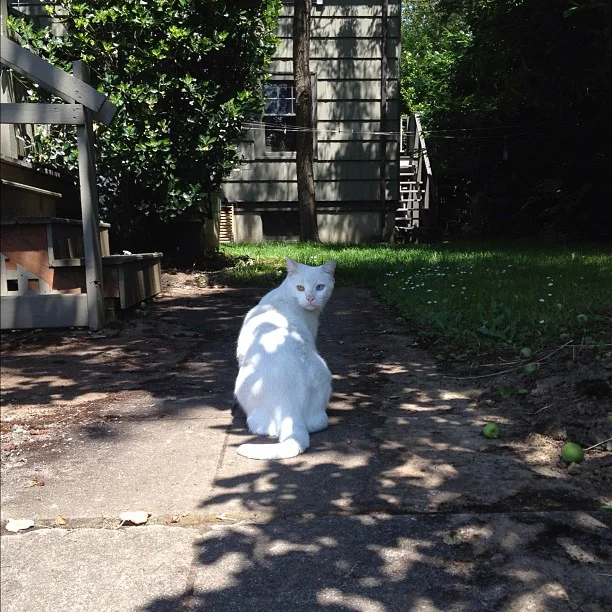
A box can provide cover, a boundary, and somewhere to watch without being fully exposed. Some cats enjoy one immediately; others prefer an open bed or a higher perch. A useful enrichment choice allows that preference instead of putting the cat inside for a photograph.
Prepare the box
Remove staples, loose tape, handles, and anything the cat could swallow or catch on. Use a stable box large enough for comfortable entry and exit. Keep it away from heaters, damp areas, and routes where someone may trip over it.
Choose the location thoughtfully
Place it in a quiet part of a room the cat already uses. In a multi-cat household, check whether another cat can block the entrance. More than one hiding option can prevent one appealing box becoming a resource bottleneck.
Let the cat investigate voluntarily. Replace the box if it becomes damaged, soiled, or heavily chewed. Persistent swallowing of cardboard needs veterinary advice; a box is not a safe edible toy. If the cat suddenly spends much more time hiding, consider health and household changes rather than assuming the new box is simply a hit. The best enrichment supports ordinary choices while still letting you notice changes from normal.
Think about the choice the box creates
A box changes more than the softness of a sleeping surface. It can offer a boundary, cover, and a place to observe a room while being less exposed. That makes it useful to evaluate from the cat’s perspective rather than the price of the object it replaced. An expensive open bed and an ordinary box may provide different experiences, so preference does not mean the cat is rejecting your effort.
Watch where and when the box is used. A cat may enter during visitors, rest there in a quiet afternoon, or ignore it until it moves to another location. These patterns can suggest which aspect is useful without proving a single universal explanation. Let the object remain an option and avoid placing the cat inside to demonstrate what you hoped they would enjoy.
Choose the material with inspection in mind
Use clean, suitable cardboard without staples, loose tape, handles, or small pieces that could be swallowed or caught. Check the whole box rather than only the visible floor. Packaging may conceal ties, fragments, or residue from its previous contents. If you are uncertain what the box held or whether it is appropriate, choose something else.
Inspect it as it is used. A box changes when it becomes damp, chewed, crushed, or soiled. Replace it when condition makes it unsuitable, even if the cat still seems interested. The low cost of the object is a practical advantage because replacement can be straightforward. It is not a reason to stop checking safety. Familiar household packaging still needs the same attention to loose material and usable access as a purchased enrichment item.
Place it where entering and leaving are comfortable
Choose a stable surface away from heaters, busy doorways, and places where someone may trip. Check whether the cat can turn and leave without an awkward movement. A box in the center of a loud walking route may provide less shelter than the same box in a quieter part of a familiar room.
Do not place it on an unstable high surface simply because cats may enjoy height. If adding a raised resting option, assess the structure, route up, and route down separately. A useful box should not create a fall hazard. The aim is accessible choice, not a dramatic perch. A comfortable floor-level option may be entirely appropriate, especially for an individual with movement difficulties or a preference for a more sheltered location.
Preserve the retreat instead of invading it
If the cat enters to rest, let the resting place remain quiet. Repeatedly reaching inside, lifting the lid, or asking children to look at the hidden animal can remove the value you wanted to provide. Teach visitors that the box is not an invitation to touch a cat whose body is partly concealed.
Spend time nearby if the cat welcomes company, but allow them to choose whether to emerge. Food rewards should not be used to draw the animal into unwanted handling. If necessary care is difficult because the cat retreats, ask the veterinary team for a plan rather than turning the hiding place into a trap. A reliable retreat supports ordinary welfare and can make shared space easier precisely because the animal is not required to interact at every moment.
Consider other cats and the doorway to the box
A single entrance can become uncomfortable when another animal waits nearby. Observe the quieter cat’s ability to use and leave the box, not only the first enthusiastic occupant. Several attractive hiding options in separate locations may provide more meaningful choice than multiple boxes clustered where one cat can control them all.
Do not put cats together inside a box to encourage friendship or a photograph. Sharing space should remain voluntary. A cat that chooses another bed may be avoiding social pressure rather than disliking cardboard. Watch what happens before entry and after exit, and review the broader resource layout if there is persistent waiting, chasing, or avoidance. A piece of enrichment is useful only when the individual can access it comfortably within the actual household relationship.
Use a box for play without making it an unsafe toy
Some cats enjoy watching a suitable lure disappear behind a box or moving through an appropriate opening. Keep the structure stable and avoid sharp edges or places a body part could become trapped. Do not create a design whose safety depends on pushing the cat through to see whether they fit.
Use proper interactive toys and keep hands away from ambush openings. Fingers appearing through a hole can teach a game that becomes painful. Store string toys after supervised play and remove damaged material. Let the cat choose whether the box is a play space or a bed on that occasion. You do not need to make every resting object stimulating at all times; ordinary quiet use is a legitimate result.
Distinguish shredding from swallowing
If the cat chews cardboard, watch whether pieces are discarded or ingested. Remove the box when ingestion is possible and ask your veterinarian about persistent non-food eating or a suspected swallowed object. A popular enrichment item is not appropriate for every individual simply because other cats use it safely.
Do not assume providing more boxes will resolve repeated chewing. Note timing, the material involved, and any changes in appetite, vomiting, or behavior. Seek advice about concerns rather than using cardboard as an edible activity. Another resting material or a robust suitable toy may be a better choice for this cat. Safety comes from the individual’s actual use, not from the reputation of boxes as harmless universal entertainment.
Notice when hiding is a change from normal
A cat enjoying a familiar shelter is different from one suddenly spending much more time concealed and abandoning ordinary activities. Compare eating, litter use, movement, grooming, and social contact with the established routine. If the pattern changes, contact your veterinary team rather than assuming the box has simply become unusually appealing.
Keep a factual record without repeatedly disturbing the cat to check their reaction. Note when they emerge and whether essential needs are being met. A retreat can help make the environment comfortable while a concern is assessed, but it does not explain the concern. The value of knowing the usual pattern is recognizing when a familiar behavior has changed in frequency, context, or effect on the rest of the day.
Keep the successful arrangement simple
If a suitable box is used comfortably, there is no need to replace it constantly with a more elaborate version. Maintain condition, preserve access, and leave other resting choices available. Small changes in placement can be tested thoughtfully without moving every familiar resource at the same time.
Judge success by voluntary use and comfortable ordinary behavior, not by how photogenic the cat looks inside. A box can be an inexpensive part of an enriching home, but it remains one option among many. The useful lesson is to notice what the individual values, provide it safely, and avoid turning a chosen retreat into another place where the cat must manage human attention.
Sources & further reading (3)
References and further reading. These do not replace advice from a veterinarian who knows your cat.
- Cats and play — Cats Protection
- Keeping cats indoors — RSPCA
- Why do cats love boxes? — Cats Protection