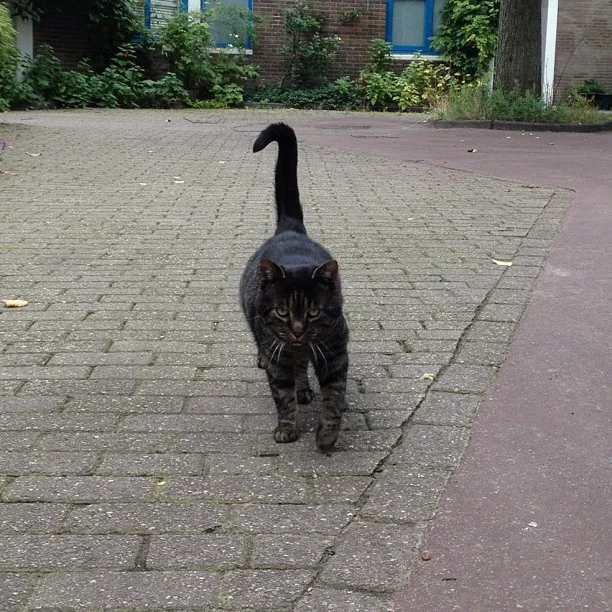
A clicker can mark a behavior just before a reward. Its usefulness comes from consistent timing, not the sound itself. A quiet verbal marker may suit a cat that dislikes clicks. Start with one simple action in a familiar, low-distraction place.
Teach the association
Choose a small reward the cat enjoys and include food rewards in the daily allowance. Pair the marker with the reward so the sound becomes predictable. Keep sessions brief and stop while the cat is comfortable.
Mark one clear behavior
For example, reward looking toward a target placed nearby. Mark the moment the behavior occurs, then provide the reward. Increase difficulty gradually rather than moving from one success to a complicated sequence.
Do not click repeatedly when the cat is confused or use the marker to lure them into unwanted handling. Allow a choice to leave and never withhold ordinary meals to force engagement. If the cat stops participating, simplify the task or try another time. Record the last easy step so the next session starts clearly. A useful first result is a cat that understands a small, predictable game, not a performance for an audience. Comfortable participation is part of the training goal.
Choose a marker the individual can hear comfortably
A marker is a consistent signal that identifies the moment a behavior earned a reward. A mechanical click is one option, not an essential product every owner must buy. If the sound startles the cat, use a quieter appropriate alternative such as a brief consistent word. Do not keep clicking near a worried cat to make them get used to it without an individual plan.
Prepare a familiar, quiet setting with stable footing and room to leave. Check whether another animal or person is making participation difficult. You want one clear exchange, not a complicated social event. Keep the marker sound distinct from ordinary conversation where practical, and ask anyone helping to use the same approach. Consistency is about what the signal predicts and when it happens, rather than how loudly or enthusiastically you produce it.
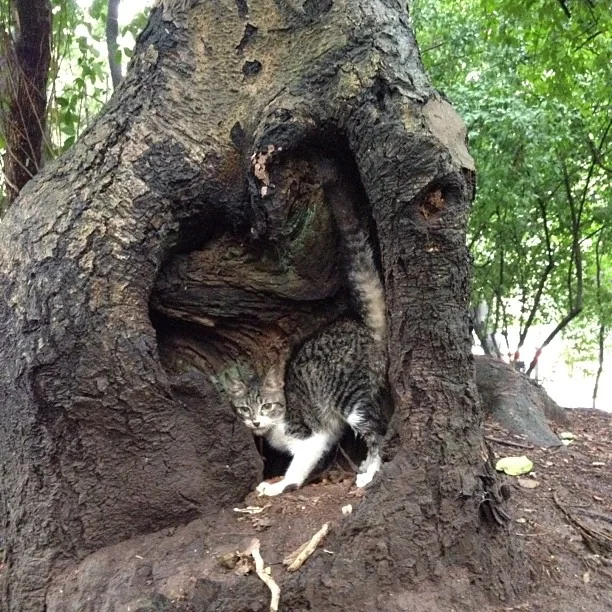
Make the reward practical before starting the lesson
Choose something the cat enjoys and can appropriately receive. Small food rewards should fit the daily allowance and any veterinary dietary instructions. Prepare them before practice so you are not searching in a bag after the behavior occurs. A reward that takes too long to provide can make the timing less clear, regardless of how appealing it is.
Do not withhold normal meals to force interest. The cat should be able to leave the activity without losing ordinary care. If food is not useful in that moment, consider whether the cat is comfortable, distracted, or simply not interested. Another suitable pleasant outcome may work for some tasks, but it still needs to be delivered clearly. Training is not improved by making essential needs conditional on a performance or by escalating reward quantity indefinitely.
Establish that the marker predicts something pleasant
Begin with a small, simple association between the marker and the reward. Keep your movements ordinary and allow the cat to participate at a comfortable distance. There is no need to introduce a difficult task immediately. Notice whether the sound itself is comfortable before combining it with other challenges.
Once using the marker to identify an action, follow it with the expected reward. Avoid clicking several times while looking for the food or using the click as a general request for attention. A clear signal is useful because it points to one moment. If it becomes background noise or an invitation that is often not followed by the expected outcome, the owner has made the exchange less precise. Short, understandable practice is more valuable than a long session full of ambiguous signals.
Define one tiny behavior before watching for it
Write the target in observable terms, such as looking toward a nearby object or placing one paw on a mat. Avoid beginning with a broad instruction like behave or be brave. You need to recognize the moment that earns the marker and reward. The cat cannot learn a clear pattern from a requirement the person keeps changing.
Mark the small action when it occurs, then deliver the reward in a comfortable place. If the reward location makes the cat twist or scramble, simplify it. Allow a natural reset between attempts. Do not physically place the cat into position and call the result voluntary learning. If the action does not happen, choose an easier step or end practice. A useful lesson can be small enough that it looks unimpressive to an observer.
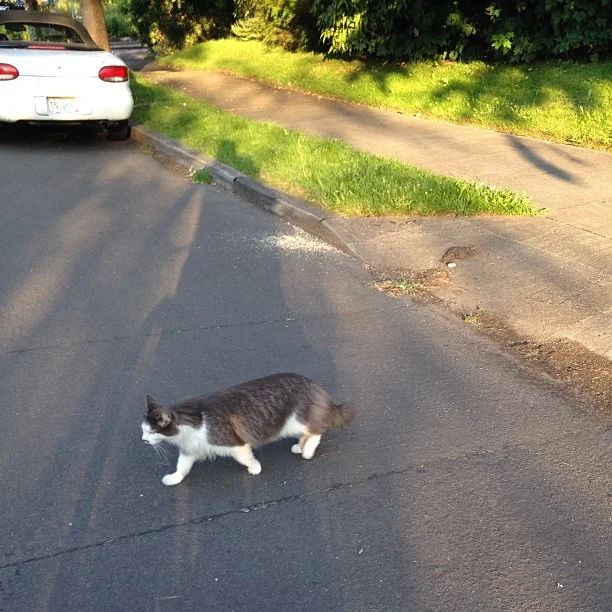
Increase one part of the task at a time
Distance, duration, distraction, movement, and a new location are separate challenges. Once the cat comfortably performs the first action, change one feature modestly. If a step becomes difficult, return to an easier version rather than repeating the cue more forcefully. The last comfortable stage is useful information, not an embarrassment to move past quickly.
For a mat exercise, for example, getting onto the surface is different from staying there while you move away. Reward the initial action before expecting a longer pause. Do not combine the lesson with an open exterior door or a hot cooking area to test reliability. A learned behavior remains fallible, and hazards should be managed with suitable physical precautions. Training supports communication; it does not replace secure household management.
Keep sessions easy to stop
Watch whether the cat remains engaged and comfortable. Leaving, turning to another activity, or becoming tense is information to pause. You do not need to finish on a difficult success after several confused attempts. An easier familiar action may be appropriate if the cat is still interested, but stopping quietly is also an acceptable outcome.
Avoid repeating practice whenever the cat approaches for ordinary company. They should still be able to share space without being enrolled in a lesson. Put the equipment away and return to normal activity after the session. If several people train, keep a brief shared note so the cat does not receive many uncoordinated sessions or different requirements attached to the same signal. A manageable routine protects clarity and the relationship around it.
Troubleshoot your timing before judging the cat
If the cat repeatedly offers the wrong action, look at what you mark and where the reward appears. You may be clicking after the intended behavior has ended or inadvertently rewarding a different movement. Simplify the task so the relevant moment is easier for you to recognize. A video of a calm ordinary session can sometimes help you review your own timing without pressuring the cat.
If participation changes suddenly, consider the setting and the individual’s comfort. A cat that moves differently, eats less, or objects to familiar contact may need veterinary advice. Training explanations should not obscure health concerns. Likewise, a cat ignoring one reward is not necessarily stubborn or unintelligent. The useful question is what part of the exchange can be made clearer or more comfortable, not how to persuade the animal to prove cooperation.
Use the skill for practical, voluntary routines
Once a simple marker-and-reward game is familiar, it can support manageable activities such as approaching a mat or investigating an open carrier. Keep each new task small and seek professional guidance for necessary care that the cat finds difficult. Do not use an approach cue only to lure the cat into restraint or something unpleasant.
Record the exact behavior and setting that are comfortable, then begin the next session there. Success means the cat can understand a predictable opportunity and choose to participate. It does not require a large trick repertoire, rapid progress, or a particular brand of clicker. A clear marker, appropriate reward, thoughtful timing, and respect for the cat’s limits can make ordinary communication more useful without turning home life into a continuous performance.
Sources & further reading (3)
References and further reading. These do not replace advice from a veterinarian who knows your cat.
- Cats and play — Cats Protection
- Keeping cats indoors — RSPCA
- Clicker training your cat — Ontario SPCA