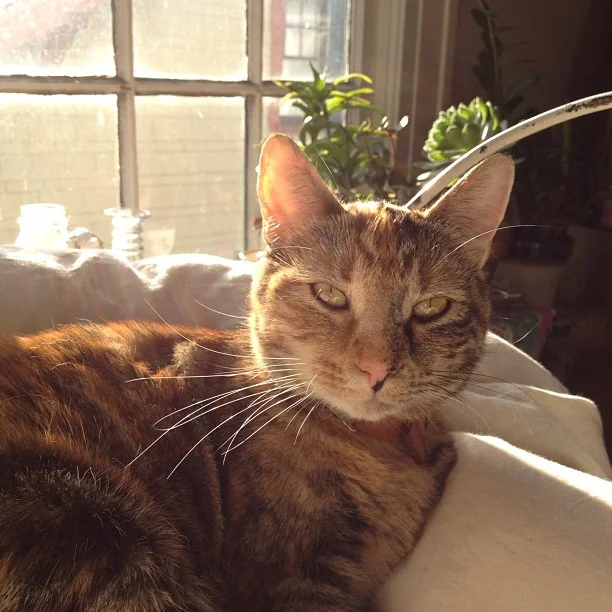
Think in routes, not just high shelves
An elevated perch can give a cat another place to rest and observe, but a single tall surface may be hard to reach or leave. Plan a route with stable intermediate surfaces and a clear way down. Consider the cat’s age, confidence, size, and mobility. A young climber may enjoy a higher path; an older or cautious cat may prefer a low bench beside a window.
The AAFP and ISFM environmental-needs guidelines include elevated resting places among important environmental resources. The RSPCA’s home guidance also recommends places to hide and rest. These principles do not require wall-mounted shelves or a large renovation. A safely anchored bookcase, sturdy cabinet, or purpose-built freestanding tower may provide a useful option if the cat can access it comfortably.
Start with furniture that cannot shift
Before inviting a cat to climb, check that each surface is stable, level, and strong enough for the animal. Tall furniture should be secured to the wall using appropriate hardware, even in a rental; ask the property owner about approved methods if needed. A freestanding tower should have a broad base and sit on a surface where it will not slide. Do not stack lightweight stools, boxes, or chairs as a permanent staircase.
Add a non-slip surface to smooth platforms and leave enough room for a cat to turn around. Avoid placing a perch directly above a hot appliance, sharp corner, open flame, or narrow exit. If a cat jumps onto a shelf from a windowsill, verify that the sill and route are secure and that the window cannot open into a dangerous gap. The “best” height is the one the cat can use without a risky leap.
Make a route that suits the individual cat
For a confident climber, arrange two or three stable surfaces with modest gaps. For a kitten, older cat, or cat with limited mobility, use a low step or ramp with secure footing. Introduce a new route gradually: leave it in place, allow the cat to inspect it, and reward voluntary exploration if the cat enjoys treats. Do not place the cat on a high shelf and expect them to figure out how to get down.
Consider the view and the rest of the room. A perch near a window may be engaging, but do not sacrifice safe screening for a better view. A quiet upper resting surface should still leave the cat a route away from people or other animals. In a multi-cat home, one high spot may become a bottleneck if every cat must pass through the same narrow shelf to reach it. Offer multiple resting choices at different heights and locations.
Keep the arrangement rental-friendly
Use furniture that can move with you, tension-free freestanding climbers, and rugs or pads that do not damage floors. Avoid adhesives or mounting strips for heavy furniture unless the manufacturer specifically approves them for the load and wall type; a failed mount can injure a cat and damage the property. Ask the landlord before drilling or installing balcony screens. A compact setup can combine a stable chair, a low cabinet, and a secure scratching surface without permanently altering walls.
Review the route over time
Watch whether the cat actually uses the new height. If they approach but hesitate, shorten the gap, improve traction, or lower the destination. If they ignore the arrangement, try a different location or surface rather than adding more objects. Recheck screws, joints, bases, and coverings regularly. A piece that was stable when new can loosen after repeated climbing.
Vertical space is one choice within a larger environment. Keep water, food, toileting, hiding, play, and scratching options accessible at floor level too. A useful perch expands choice; it should never be the only comfortable place a cat can reach.
Measure the route, including the way down
Before adding furniture, sketch where the cat currently moves. Mark the floor, intermediate surfaces, resting area, and landing space. A route may look manageable when the cat climbs up but require an awkward jump on descent. Consider both directions and leave enough room for a comfortable turn. A narrow decorative ledge is not automatically a suitable resting platform.
Watch how the individual moves rather than borrowing dimensions from another household. Body size, confidence, experience, and health can affect what is comfortable. If the cat suddenly stops using a familiar route, seek veterinary advice instead of adding a higher challenge. A change in function deserves attention even when the animal can still reach another surface.
Check the floor beneath the route. A landing beside a loose rug, a bowl, or a frequently opened door can introduce avoidable difficulty. Keep fragile objects away from the travel line. The arrangement should work during an ordinary evening when people are moving around, not only when you clear the room for a photograph.
Evaluate freestanding furniture as a structure
Follow the product’s assembly and installation instructions, including any required anchoring. Freestanding does not necessarily mean safe without securing. Inspect the base, joints, platform supports, and load guidance. If a product cannot be installed as directed in your accommodation, choose another option rather than omitting the part that prevents tipping.
Existing furniture also needs assessment. A bookcase may be stable under static weight but vulnerable when used as a jumping route. Drawers and doors can change balance, and household storage can create items that fall when brushed by a tail. Consult appropriate installation guidance and resolve structural concerns before inviting the cat onto the surface.
Avoid improvising with stacked boxes, unsecured stools, or loose boards. A low-cost route can be useful when it is genuinely stable and appropriate, but low cost is not a reason to skip checks. Test the arrangement without the cat, then observe voluntary use. Do not lift the cat to a high platform to make them demonstrate whether the descent works.
Make rented-space decisions explicit
Read the relevant tenancy terms and obtain permission where installation requires it. Keep records of any agreement, including what must be removed or repaired later. The owner of the property and the person assembling the structure may need different information. Resolve both the permission and technical installation questions instead of treating one as a substitute for the other.
If drilling is not practical, look for a suitable arrangement that can be installed safely without it. Be cautious with tension, suction, or adhesive products: each has specific limits and instructions. A claim that a product is renter-friendly does not establish compatibility with your particular wall, ceiling, floor, or furnishings.
Plan how the route will be cleaned and inspected without repeatedly moving it into a different configuration. Keep assembly information and spare approved parts together. When you move home, reassess the new setting rather than assuming a previously successful setup will fit the new structure. Safe installation depends on the actual location, not just the furniture you already own.
Offer social choice as well as height
In a multi-cat home, look at whether a perch has only one route or whether another cat can block it. A high place can become a bottleneck rather than a retreat. Provide alternative resting areas and, where practical, more than one comfortable way through a shared space. Watch the less confident cat’s use rather than judging the setup by the first enthusiastic climber.
Keep an appealing lower option available. Height is one kind of choice, not the only legitimate way for a cat to rest. A cat that prefers a sheltered chair should not be repeatedly moved to the tower. Notice whether a perch is used during busy periods, quiet periods, or not at all, and adjust placement thoughtfully.
Review stability after cleaning, moving furniture, or noticing wear. Check surfaces for slipping and inspect for loose material that may catch a claw. A successful route is predictable, accessible, and comfortable over time. It adds useful living space without making the cat or the tenant depend on an installation that cannot safely remain in place.
Sources & further reading (2)
References and further reading. These do not replace advice from a veterinarian who knows your cat.
- AAFP and ISFM Feline Environmental Needs Guidelines — Journal of Feline Medicine and Surgery
- Creating a Good Home for Cats — RSPCA UK