
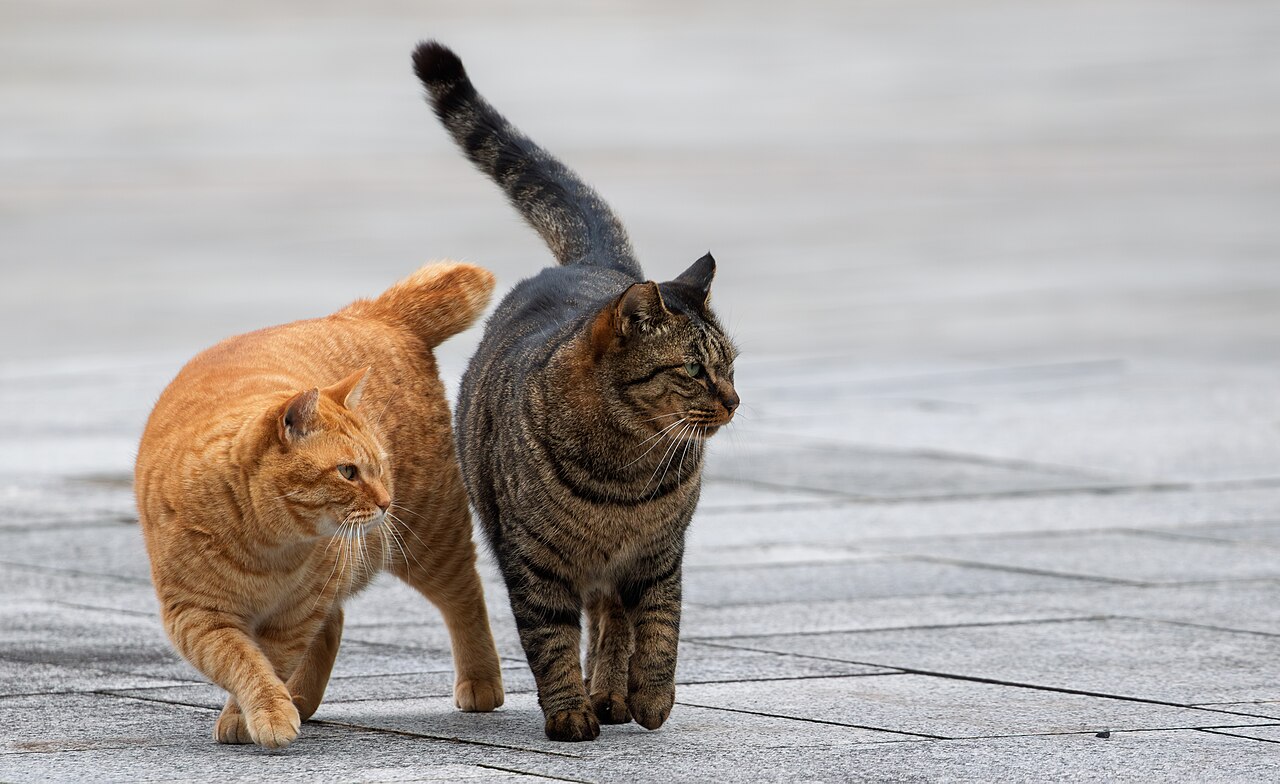
Tabby describes a coat pattern rather than a single breed. A tabby can be a short-haired companion without a documented pedigree, a long-haired shelter cat, or a pedigreed cat whose breed permits tabby markings. The word is useful when describing appearance, but it cannot reliably tell you what the cat will be like to live with.
For owners, that distinction has practical consequences. A pattern label can help with identification, while grooming, equipment, and social routines need to fit the individual. You can enjoy the stripes, spots, or swirls without expecting them to determine affection, intelligence, or health. Start with what you can see and what the cat actually does, then keep ancestry claims tied to appropriate evidence.
Separate color, pattern, coat length, and breed
Color tells you something about the tones in the coat. Pattern describes how those tones are distributed. Coat length is another observable feature. Breed concerns ancestry and a defined breeding background, which cannot be established from one appealing facial feature or a photograph of striped fur.
A description such as brown tabby with white paws and a short coat can be useful without a breed guess. It records visible information that another person can recognize. If the cat’s ancestry is unknown, say so. There is no need to turn an incomplete history into a confident claim that creates expectations about size or temperament.
When a listing claims a pedigree, ask what records support it. A familiar-looking coat does not substitute for documented ancestry. This matters whether you are considering adoption, discussing care, or preparing an identification record. Accurate uncertainty is more helpful than a precise label that was inferred from resemblance alone.
Learn the pattern vocabulary without making it a test
Common tabby descriptions include mackerel, classic, spotted, and ticked. Mackerel is associated with narrow stripes; classic with broader swirling markings; spotted with separated spots; and ticked with a different overall distribution of banded hairs. Real coats can be harder to classify than tidy examples in a diagram, especially in a photograph that shows only part of the body.
You do not need to determine a perfect show-description category to provide good care. Look at the sides, legs, tail, and face in ordinary light, and use plain words when a formal term is uncertain. Avoid repeatedly parting fur or restraining a reluctant cat to decide which chart example is closest.
The familiar forehead marking associated with tabby patterning is one visible feature among several. It does not establish a breed or personality. Stories and folklore can be enjoyable when presented as stories, but they should not become evidence about the animal in your home. A useful coat description stays separate from claims it cannot support.
Make an identification record before you need one
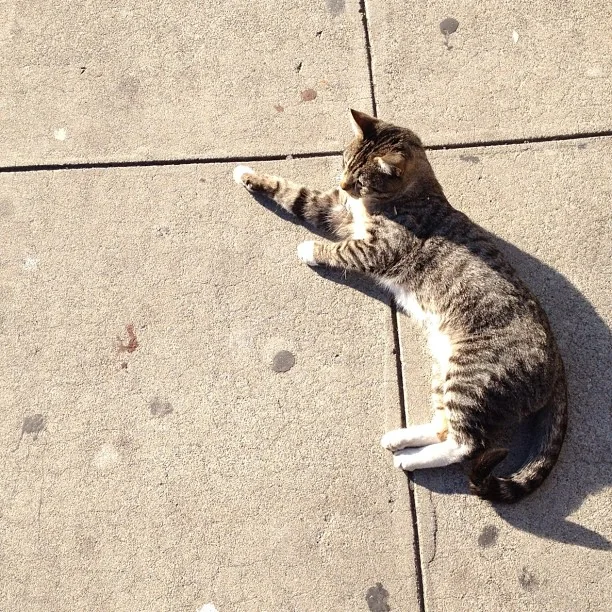
Take a recent face photograph and clear views of both sides when the cat is comfortable. A standing or naturally moving view can show markings that disappear in a curled-up sleeping photograph. Use ordinary light and avoid chasing the cat around to complete a photo session.
Record distinctive details: uneven white patches, a dark tail tip, a broken stripe, or an unusual chin marking. Several neighborhood cats may share the same broad brown-tabby description. Specific visible features can help a sitter, veterinary team, or person responding to a missing-cat notice distinguish your companion.
Store those images with current microchip information and veterinary records. Photographs and coat descriptions do not replace a microchip, and a microchip depends on accurate registration details. Update contact information when circumstances change. The goal is a practical identification file, not a social-media portrait collection that lacks a clear view of the cat’s actual markings.
Choose grooming for the coat you have
The same broad pattern can occur on coats with very different lengths and textures. A sleek short-haired tabby and a fluffy long-haired tabby should not automatically receive the same tools or session length. Ask for a suitable grooming demonstration if you are unsure how to reach through the coat without pulling.
Introduce handling gradually in a quiet, stable setting. Let the cat inspect the tool and begin with a few gentle passes in an accepted area. Stop if it catches or the cat becomes uncomfortable. Do not treat resistance as a reason to pull harder or continue until the whole body is finished.
Notice changes in skin, tangling, self-grooming, or sensitivity and seek veterinary advice when needed. A coat pattern does not explain a new bald patch or repeated licking. Dense mats require appropriate professional help rather than scissors close to hidden skin. Grooming decisions should follow coat condition and comfort, not a supposed tabby-specific routine.
Assess personality through ordinary choices
If you are meeting a prospective companion, ask the current carer how the cat behaves during meals, quiet company, visitors, handling, and play. A confident photograph can reveal little about life in a settled home. Equally, a cautious shelter appearance should not be treated as a complete prediction of future relationships.
Look for concrete information instead of color-based character claims. Does the cat approach for cheek strokes, prefer nearby company, enjoy a wand game, or dislike being lifted? These observations help you prepare a suitable routine. An affectionate tabby from your childhood cannot stand in for every cat with similar markings.
Let a new relationship develop without comparing the cat with online stereotypes. A cat can enjoy company without sitting on laps or tolerate one kind of touch while avoiding another. Pause during interaction and respect an attempt to leave. The pattern makes a visual description; repeated comfortable experiences help you understand the individual.
Buy equipment for size and function
A carrier needs appropriate usable space and secure fastenings. A litter tray needs comfortable entry, positioning, and departure. Scratching equipment needs stability and a surface the cat actually uses. None of those requirements is settled by the word tabby.
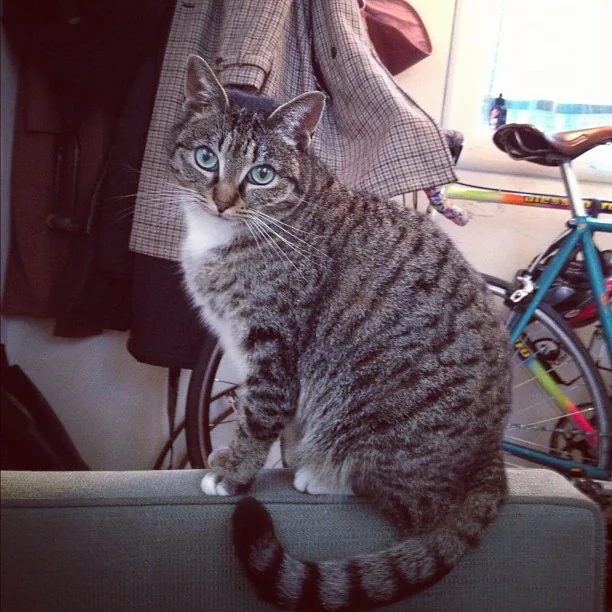
Ask for the cat’s current measurements and observed habits where possible, especially if you are preparing before adoption. A close-up face photo can hide body size and coat volume. Choose manageable essentials first, then add items in response to use. A large collection of breed-branded accessories is less helpful than a small set of suitable resources.
Check the home layout as well as the products. A good bowl behind a closed door is unavailable, and a comfortable bed in a guarded corner may be difficult for a quieter cat to reach. In multi-cat homes, provide meaningful separation and observe who can use each resource. Pattern similarity between cats does not mean their access or preferences are identical.
Keep health decisions separate from appearance assumptions
Use the individual veterinary history, age, current condition, and professional advice when planning care. Do not assume a tabby is protected from illness, predisposed to every condition listed for a look-alike breed, or destined to reach a particular size. Uncertain ancestry should remain uncertain in health discussions too.
Record meaningful changes in appetite, drinking, toileting, movement, grooming, and social behavior. If something differs from the cat’s normal routine, describe the change rather than explaining it with a personality label. Your veterinary team can use a clear history more effectively than a confident internet diagnosis attached to a coat category.
When adopting, ask which health facts are documented and which remain unknown. A responsible conversation can include uncertainty without making the cat unsuitable. The useful question is whether you understand the known needs and can provide appropriate ongoing care, not whether a pattern description sounds reassuring.
Use the label for what it does well
Tabby is a helpful part of describing a cat and a satisfying subject for curious owners. It gives you language for markings and can improve identification records. It becomes less useful when stretched into a prediction about personality, a substitute for pedigree evidence, or a complete care plan.
Keep a clear description, current photographs, and accurate records. Match grooming to the actual coat, equipment to the actual body and movement, and interaction to the cat’s choices. Those habits let you enjoy the distinctive appearance while keeping practical ownership grounded in the companion you live with. You do not need a more elaborate breed story to make attentive, well-informed care worthwhile.
Sources & further reading (2)
References and further reading. These do not replace advice from a veterinarian who knows your cat.
- Coat and color descriptions — The Cat Fanciers’ Association
- Recognized breeds — The Cat Fanciers’ Association