Keep the routine short and optional
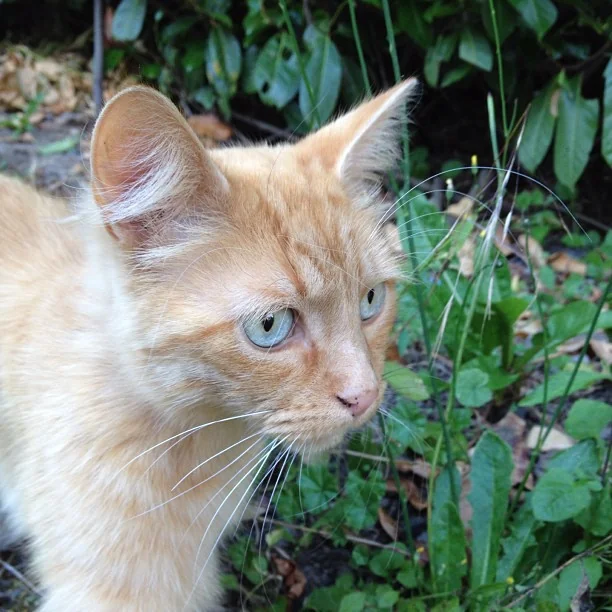
Short-haired cats often manage much of their own coat care, but a brief check can help you notice loose hair, small tangles, debris, or changes in the skin. There is no single brushing schedule that suits every cat. Shedding, age, activity, health, and individual tolerance all affect what is useful. Cats Protection’s grooming advice notes that a short-haired cat may prefer a soft brush, while the RSPCA recommends short sessions, especially while a cat is learning to tolerate grooming.
Choose a calm moment when the cat is already settled. Put a familiar mat on a stable surface, allow the cat to approach, and let them sniff the brush. Start with one or two strokes along an area the cat enjoys being touched, then pause. If the cat stays or leans in, you can continue briefly. If they move away, let the session end. Grooming should not become a test of obedience.
Pick a tool by the cat’s response
A soft brush, rubber grooming mitt, or gentle comb may be suitable depending on coat and preference. You do not need several tools to start. Move the tool lightly in the direction the coat lies and check whether it catches, scrapes, or pulls. Stop if the cat flinches, repeatedly turns to bite the tool, tenses, or tries to leave. Do not brush harder to remove a stubborn patch.
Check the tool after each pass for loose fur or debris. Clean it according to the manufacturer’s instructions and store it away from children and pets. Avoid products intended for another species or skin condition unless a veterinarian has recommended them. A cat with a clean, healthy-looking short coat may not need much more than periodic inspection and a gentle brushing session when loose hair is present.
Use grooming to notice changes, not diagnose them
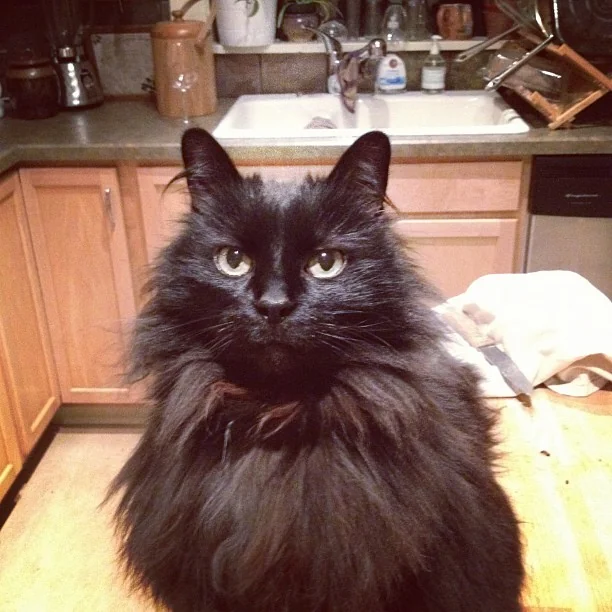
Run your eyes over the coat for bald areas, scabs, redness, a new lump, persistent dandruff, or a sudden difference in shedding. Notice whether the cat is licking, chewing, or scratching one spot more than usual. These observations do not explain the cause. The RSPCA advises veterinary assessment when coat condition changes or there are sore areas, wounds, or matting. Take a photo of a visible change if it helps you describe how it develops, but do not apply human creams, essential oils, or flea products without veterinary direction.
Some cats become less willing to groom because they dislike handling; others may change their own grooming when they feel unwell or cannot reach an area comfortably. A sudden difference in behavior or coat condition deserves a veterinarian’s attention. This article is routine-care education and does not identify skin disease, parasites, or pain.
Make handling easier over several sessions
If your cat is unfamiliar with a brush, start with the brush placed nearby while you offer a treat or calm attention. Next, let the cat choose to approach it. Later, touch the brush to the shoulder or back for a moment without drawing it through the coat. Reward voluntary calm behavior if the cat enjoys food. Gradually add a stroke, then stop. Progress may take multiple days or longer, and returning to an easier step is fine.
Avoid holding a cat down or wrapping them tightly for routine brushing. If a grooming task cannot be completed safely, ask a veterinarian or experienced cat groomer for help. This is particularly important for painful tangles, wounds, or sensitive areas. Never use scissors close to the skin to remove a mat; cat skin can be pulled into the tangle and cut easily. Seek professional help when a coat problem needs more than gentle surface brushing.
A five-minute coat check
- Let the cat approach a familiar brush and stable resting place.
- Inspect the face, body, and tail without forcing a position.
- Brush a small area using light strokes in the coat’s direction.
- Pause at the first sign that the cat wants to leave.
- Note unexpected skin, coat, or behavior changes for a veterinary discussion.
The most sustainable short-haired grooming routine is one the cat accepts and the caregiver can repeat. Keep it brief, adapt to the individual, and treat a change in the coat as a reason to observe—not as a cue to apply a home remedy.
Choose the tool by the cat’s response
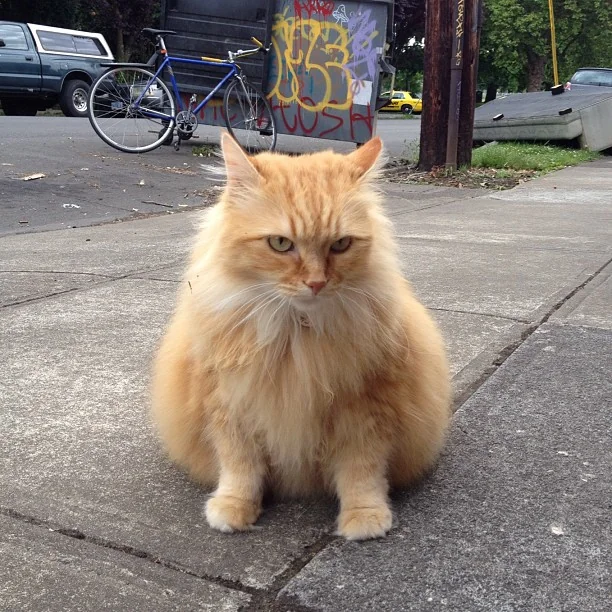
A short coat can still vary in density, texture, and sensitivity. Ask for a suitable tool recommendation if you are uncertain, then introduce it gradually. Let the cat inspect it before beginning and use a small, comfortable area for the first few passes. Do not assume a firm tool is necessary simply because loose hair remains on furniture.
Check the equipment for damaged surfaces and remove collected hair appropriately. A dirty or worn tool can change how grooming feels. Keep it separate from household cleaning brushes and store it where the cat cannot chew or catch on it. Follow the manufacturer’s care directions rather than applying improvised products to improve grip or fragrance.
Watch the cat rather than the amount of hair collected. A large pile is not the measure of a successful session. If the cat becomes tense, turns toward your hand, or moves away, pause. A few gentle passes that remain comfortable are more useful than a prolonged effort to remove every loose hair at once.
Make a coat check part of ordinary observation
During welcomed contact, notice whether the coat feels different from usual. Look for clumping, an area the cat repeatedly licks, visible irritation, or a patch they avoid letting you touch. Do not scrape, pick, or press to investigate. Grooming provides a chance to notice a change, not a way to determine its diagnosis.
Compare the pattern with normal self-care. A cat may groom after waking or eating, but repeated attention to one spot or a sudden decline in grooming deserves a closer conversation with the veterinary team. Record appetite, movement, and household changes alongside what you noticed on the coat. That context is more useful than a guess based on a photograph alone.
Avoid adding several shampoos, supplements, or skin products in response to flakes or shedding. Human products and essential oils are not suitable default solutions for cats. Ask for individual advice when the skin or coat changes persist. A short-haired appearance does not make a medical skin concern an ordinary cleaning task.
Keep handling practice separate from restraint
Choose a stable, quiet location where the cat can participate comfortably. Start with an area already accepted during petting and keep the tool movement predictable. If food rewards help, include small appropriate amounts within the daily allowance. A reward should accompany an easy experience, not persuade the cat to tolerate painful handling.
Practice brief steps rather than waiting until a full groom seems necessary. Seeing the tool, accepting one stroke, and remaining comfortable during a short pause can be separate stages. Ask other household members to use the same approach. One person’s patient practice becomes less predictable if someone else occasionally holds the cat down to finish.
Do not turn every friendly approach into care practice. Leave ordinary lap time or quiet company available without grooming. If the cat dislikes a particular area, respect that limit while asking whether professional assessment is needed. A new reaction to familiar touch may indicate discomfort rather than a training problem. The relationship is part of the care routine, not a resource to spend until the coat looks neat.
Manage household hair without overworking the cat
Use washable covers where appropriate and follow their care instructions. Remove hair from resting places with suitable cleaning equipment, keeping the cat away if noise or movement is upsetting. A manageable cleaning routine reduces pressure to brush longer simply because the sofa still has visible fur. Shedding does not need to be eliminated for the home to function well.
If several people groom the cat, record sessions briefly so the animal is not repeatedly brushed by everyone who notices loose hair. Keep an eye on skin comfort and ordinary behavior afterward. A cat avoiding the grooming area or becoming wary of a familiar hand is useful feedback to make the next experience easier.
Seek veterinary advice about a marked change in shedding, bald areas, persistent scratching, or reduced self-care. For ordinary coat maintenance, let comfort, tool suitability, and the individual’s needs guide the routine. A short coat may make care simpler, but it does not remove the value of gentle handling and careful observation. The best result is a comfortable cat and a sustainable household routine, not a completely hair-free room.
Sources & further reading (2)
References and further reading. These do not replace advice from a veterinarian who knows your cat.
- Grooming Your Cat — Cats Protection
- How & Why To Groom Your Cat — RSPCA UK