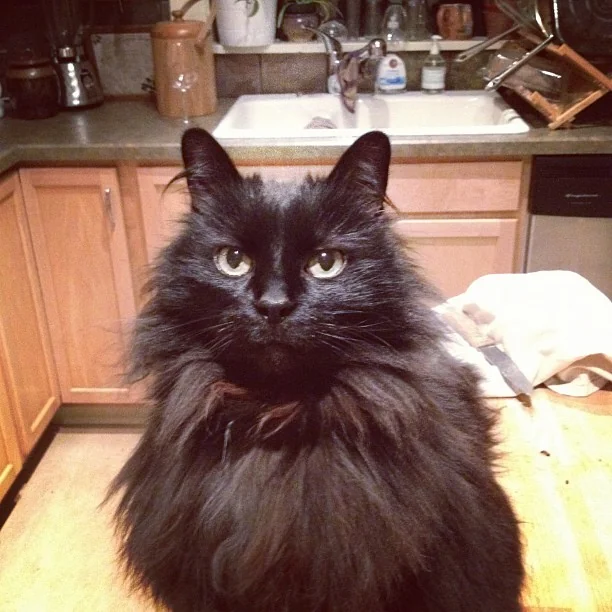
A Persian’s long coat can make routine care a substantial commitment. The useful goal is a comfortable, manageable coat and healthy skin, not a show-ring finish. Ask the current carer and veterinary team to demonstrate a routine suited to the individual cat.
Work in small areas
Choose a quiet location with a stable, nonslip surface. Let the cat inspect the tool, then try a few gentle passes in an area they accept. Check whether the comb moves through without catching. Stop when the cat becomes tense rather than trying to finish the whole body in one session.
Know where home care ends
Do not pull tight tangles or cut close to the skin with scissors. Dense mats and discomfort need professional assessment. Repeated staining, eye discharge, or sore skin should not simply be treated as a cosmetic grooming challenge.
Keep tools clean and record which areas the cat tolerates. Brief, frequent checks are easier to adapt than occasional prolonged restraint. If normal grooming becomes difficult suddenly, consider whether pain or illness is affecting the cat’s ability to cope. Arrange advice before the coat becomes an urgent problem. A sustainable routine protects trust as well as fur.
Plan for the workload before buying a collection of tools
A useful Persian grooming plan begins with the care the individual coat actually needs and the handling the cat accepts. Ask the current carer and your veterinary team to demonstrate that work. Notice how long a manageable check takes, which areas require attention, and where professional help is already part of the routine. Do not assume a beautifully prepared adoption photograph shows how little maintenance is needed.
Build the routine around an ordinary working week rather than a free afternoon when you first meet the cat. Who will provide the checks when you travel or become busy? Can another household member follow the same method? What will you do if the cat stops tolerating an area? These questions turn an attractive coat into a realistic care commitment and help prevent a gradual tangle problem becoming an urgent appointment.
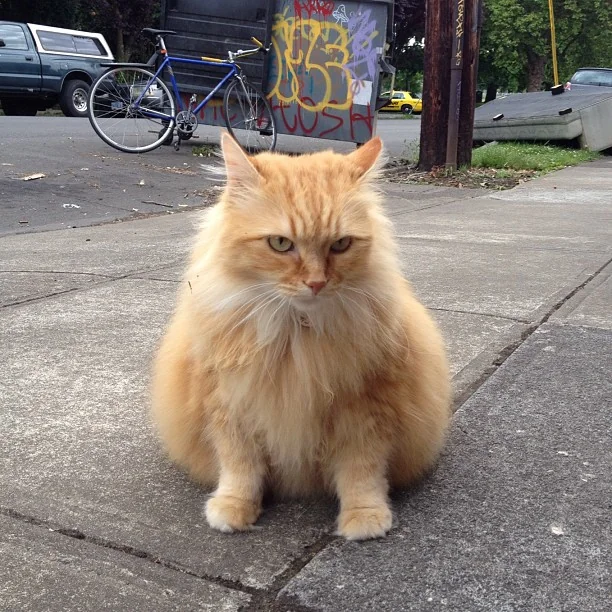
Make a small equipment list with a clear purpose
Ask which tool reaches through this coat comfortably and which is useful for finishing or observation. You may need fewer items than a large kit suggests. The important distinction is whether the tool does the intended job without pulling, scraping, or simply gliding over the surface while compacted fur remains underneath. Have the technique shown on the actual cat where possible.
Keep equipment clean and inspect it for damage. Store instructions with any tool that requires particular handling. Do not assume another family member will recognize why one comb was chosen over another. If a tool catches, stop and reassess rather than increasing pressure. A clear purpose for each item makes the routine easier to share and reduces the temptation to buy a stronger device whenever grooming becomes difficult.
Divide the coat check into comfortable areas
Use a short note to record what has been checked rather than treating a groom as one all-or-nothing event. The cat may comfortably accept work on the back during one session and need separate preparation for other areas. Let handling tolerance guide how the work is divided, with professional advice about any section that cannot be maintained safely.
Do not force a cat onto their back to reach the belly or hold a limb in an uncomfortable position because a checklist says the area is next. A new objection to touch may need veterinary assessment. If the routine repeatedly leaves an important area unchecked, seek help before the coat becomes compacted there. The point of dividing the work is to make necessary care manageable, not to keep postponing a problem nobody in the household can comfortably address.
Keep the first few minutes predictable
Choose a stable, nonslip place and prepare the tool before inviting the cat. Begin with brief contact the cat already accepts, then pause. If small rewards help, use appropriate amounts within the feeding plan. Make the starting experience easy enough that the cat is not immediately asked to tolerate their most difficult area.
Watch posture and response throughout. Remaining still does not always establish comfort, and a moving tail or turn toward the hand may be a reason to pause before a stronger warning appears. Avoid finishing every session only after the cat struggles. A repeated pattern of manageable contact can be more useful than occasional long sessions that remove more hair but make the next approach increasingly difficult. Clear handling protects daily care and ordinary companionship at the same time.
Separate face care from assumptions about breed appearance
If you notice staining, discharge, irritation, or discomfort around the face, ask your veterinary team what needs assessment and which cleaning is appropriate. Do not assume that a visible concern is harmless because a breed description mentions facial features. A photograph or a general Persian-care article cannot establish the cause for an individual cat.
Use only the technique and products advised for the actual situation. Avoid rubbing a sensitive area repeatedly to improve appearance, and do not apply human cosmetic products or improvised solutions. Keep any instructions clear enough for another carer to follow. A comfortable face and understood care plan matter more than a spotless photograph. Changes in breathing, eyes, eating, or comfort deserve individual advice rather than being folded into a purely cosmetic grooming routine.
Have a professional plan for mats before one develops
Identify a suitable veterinary or grooming contact and ask how they assess cats with dense tangles or limited handling tolerance. Understand when the work needs a veterinary setting. Do not wait until the coat is painful before discovering that the nearest service cannot manage the cat safely or has a long waiting list.
Do not cut close to hidden skin, pull through tight mats, or improvise sedation. Explain the location and extent of the problem and follow preparation instructions. After necessary professional care, ask why the area became difficult and how the home routine should change. Repeated clipping without a prevention plan can leave the same cycle in place. A realistic plan includes owner ability, the cat’s comfort, appropriate equipment, and support when those are not enough.
Give a sitter more than the instruction to brush daily
Show the accepted tool, comfortable areas, stopping signs, and what should trigger a call. Make clear which tasks the sitter should not attempt. A person experienced at feeding cats may not be equipped for long-coat maintenance or an animal that objects to handling. Confirm the practical arrangement before leaving, including professional support if needed.
Keep the routine consistent instead of asking the sitter to make the coat look especially neat for your return. Record recent tangles or skin concerns and where the veterinary instructions are kept. If the cat becomes distressed or an area feels compacted, reporting and seeking advice is more useful than trying harder to meet a grooming target. Good handover protects the cat from a well-intentioned person feeling obliged to finish a task beyond their ability.
Review the routine when the cat’s needs change
Growth, illness, altered mobility, stress, and household changes can affect self-grooming and handling. Notice whether the cat is reaching normal areas and whether their response to your routine has changed. Keep factual observations alongside any coat concern so the veterinary team can assess the wider picture.
Adjust the home plan after appropriate advice rather than assuming the same schedule must work forever. Shorter sessions, improved access, different equipment, or professional support may be relevant depending on the individual. The practical measure is a comfortable, manageable coat and a cat able to carry out ordinary activities. Persian grooming is a continuing care responsibility, but it should remain purposeful and humane. A plan that people can sustain without repeatedly overriding the cat’s warnings is more valuable than an impressive kit or a perfect finish achieved through prolonged restraint.
Sources & further reading (2)
References and further reading. These do not replace advice from a veterinarian who knows your cat.
- How and why to groom your cat — RSPCA
- Grooming your cat — Cats Protection