
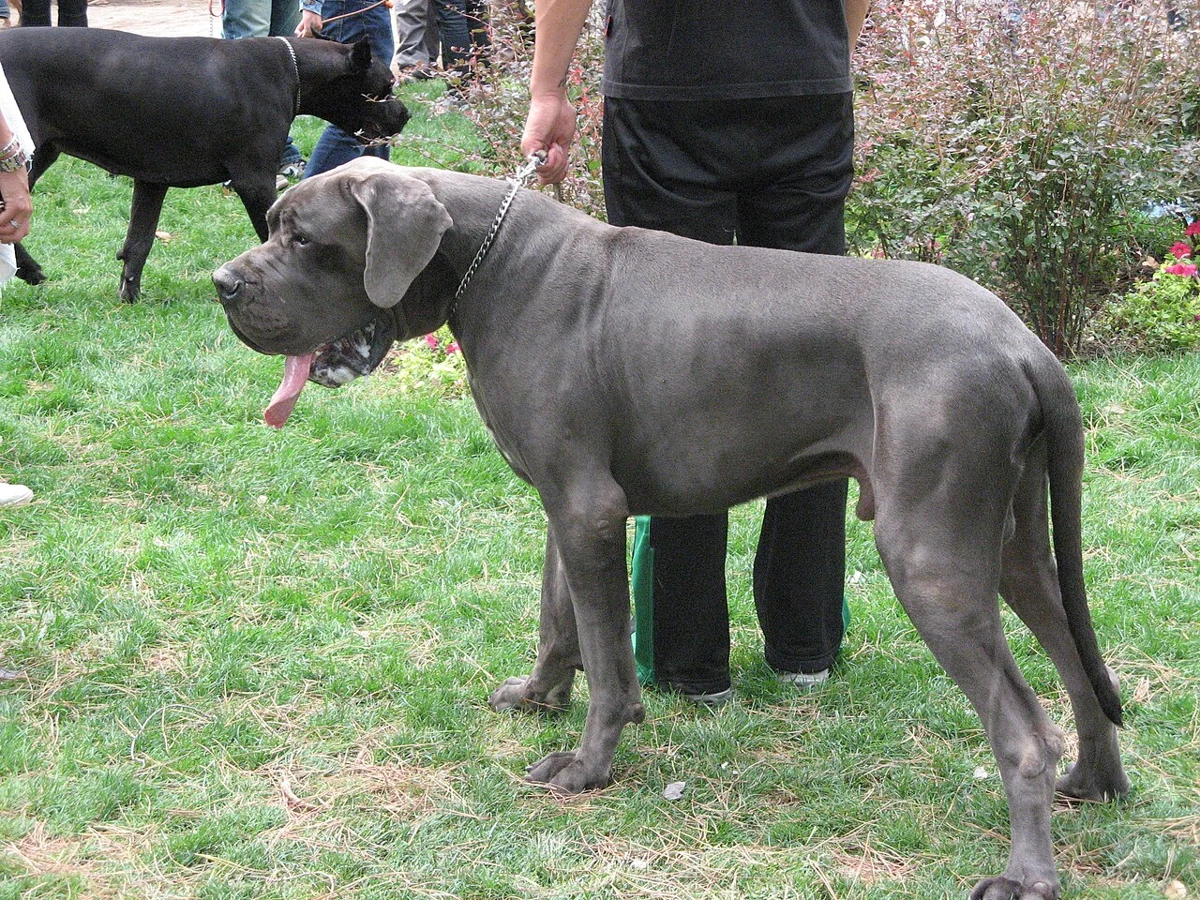
A useful dog walking kit is a small system you can operate while holding a lead, watching the environment, and making decisions. It is not a bag filled with every accessory sold for outdoor dogs. Start with the route you actually take, the dog who will accompany you, and the conditions you are likely to encounter.
Build the kit around secure equipment, drinking arrangements where needed, waste collection, practical rewards, and a way to communicate or get help. Then test how the pieces work together. A bottle is less useful if opening it requires dropping the lead, and a reward pouch is awkward if its position encourages the dog to jump at your hand throughout the walk.
Check the equipment before opening the door
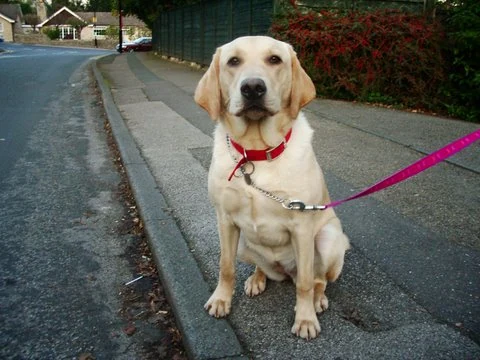
Inspect the lead, clips, harness or other suitable walking equipment in good light. Look for worn stitching, damaged fasteners, twisted straps, or a component that no longer closes reliably. Check fit on the individual dog rather than choosing solely from a size label. Ask an appropriate professional for guidance if you are uncertain whether the arrangement is comfortable or secure.
Keep a repeatable departure sequence. Put the equipment on in a calm area, check it, gather the remaining items, and then manage the exit. A lead attached in a hurry while the door stands open creates a different risk from a checked setup prepared beforehand. Training can make the routine easier, but physical management should remain reliable even while the dog is still learning.
Choose storage that leaves your hands useful
A small bag or secure pockets can keep waste bags, rewards, keys, and a phone organised. Try the arrangement while holding the lead in the way you normally walk. Can you reach a bag without searching several compartments? Does a dangling strap catch on equipment? Will bending to collect waste spill rewards onto the pavement?
Give essential items a consistent place. A walker taking over for one afternoon should not have to decode an elaborate system. Keep food separate from used waste bags and cleaning materials. Avoid attaching heavy or noisy objects to the dog merely to save space in your bag. Equipment should support comfortable movement rather than turn a simple outing into a collection of distracting attachments.
Carry waste bags with a practical backup
Take enough bags for the expected outing and a few extras. Test that you can separate and open them without a prolonged struggle. A dispenser clipped outside the bag is convenient only if it remains attached and the opening does not allow the whole roll to unwind. Keep another small supply in a separate pocket in case the dispenser is empty or damaged.
Plan disposal as part of the route. Follow the local arrangements for dog waste and avoid leaving a filled bag beside the path for later collection. If bins are limited, choose a secure way to carry a closed bag until suitable disposal is available. Cleaning up should remain manageable when the weather changes or the dog needs you to move away from a busy section of the route.
Make drinking arrangements fit the outing
Consider route length, weather, access to appropriate water, and the individual dog’s needs. A portable bowl and water supply can be useful when a reliable option is not available. Check that the bowl opens fully and sits steadily, and clean it between uses. A container that leaks into the reward pouch is a practical problem you can discover during a short trial near home.
Do not make water availability depend on a venue being open or a public bowl remaining clean and full. If your plan relies on a particular stop, keep an alternative. Ask the veterinary team about individual restrictions or needs rather than setting a universal amount from another owner’s kit list. The equipment helps you deliver a suitable plan; it does not establish that plan for every dog.
Pack rewards you can deliver cleanly
Use rewards appropriate to the dog’s diet and training plan, in pieces you can handle easily. Account for them within the day’s feeding arrangements. Keep them in a container that closes securely and does not require noisy repeated unpacking. If several people walk the dog, record what each person uses so rewards do not disappear from the household’s overall food picture.
Consider how location affects delivery. At a quiet pause, reaching into a pouch may be straightforward. Beside a road or another dog, it may be more difficult. Practise the handling before depending on it in a busy setting. Do not hold food where it encourages the dog to cross in front of you unexpectedly, and keep fingers and loose wrappers out of the dog’s mouth.
Add visibility and weather items thoughtfully
Choose clothing and visibility equipment for the conditions and the dog’s comfort. Inspect any lights or reflective accessories for secure attachment and loose parts. A bright item should not interfere with lead connections or create a distracting flash close to the dog’s face. Check that you can still see and operate the equipment yourself in low light.
Weather preparation also includes your own footwear, clothing, and ability to manage the route. If conditions make footing or traffic visibility difficult, change the outing rather than expecting an accessory to compensate for everything. For a dog whose activity is affected by health or mobility, follow individual veterinary advice. Practical route selection remains more important than collecting increasingly elaborate equipment.
Keep identification and contact information accessible
Make sure identification arrangements are appropriate and that registered contact information is current. Local requirements differ, so check the rules where you live or travel. Do not assume that an accessory bought online automatically satisfies them. Keep relevant contact details on your phone and available to another responsible person who may need to help.
For a borrowed or newly adopted dog, carry the owner’s or organisation’s appropriate contact information. Know which veterinary practice to contact and what the handover instructions say. A phone is helpful only when it has charge and can be reached without losing control of the situation. Consider how you would communicate if reception failed on a longer route, and choose a route that suits your current level of preparation.
Match optional equipment to an actual purpose
A long line, travel towel, or specialist piece of equipment may be useful for a particular outing, but each adds handling requirements. Learn how to use it safely in an appropriate setting rather than improvising near traffic or unfamiliar dogs. Keep lines and straps away from entanglement hazards. Seek qualified instruction when the equipment changes how the dog can move.
Avoid adding something because a photograph makes it look essential. Write down the task it solves and whether you can manage it comfortably alongside the rest of the kit. If the answer is unclear, leave it out of the routine walk until you have a real use and the skills to operate it. A lighter, understandable kit often makes decision-making easier.
Finish with a short reset at home
After the walk, check what needs cleaning, drying, replenishing, or repairing. Refill the waste-bag supply before the next outing, empty any waste carried home, and store food appropriately. Let wet equipment dry according to its instructions. Put the kit where the next walker can find it without opening every cupboard while the dog waits at the door.
Review any difficulty you encountered. Perhaps the bowl was hard to open, the bag swung into the lead, or a new route required more waste storage than expected. Adjust that specific part and test again on an ordinary outing. The best walking kit is one you maintain, understand, and can use while still paying attention to the dog and the world around you.
Sources & further reading (2)
References and further reading. These do not replace advice from a veterinarian who knows your cat.
- Creating a good home for your dog — RSPCA
- First-time dog owner guide — Blue Cross