
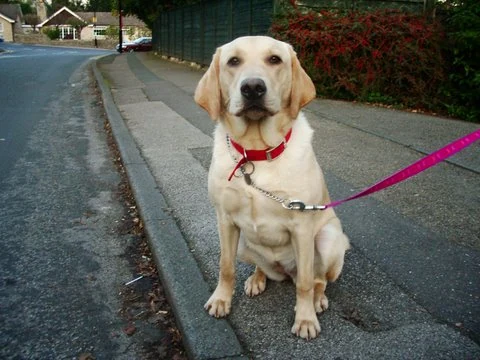
A good dog-sitter handover makes an ordinary day understandable to someone who does not live in your house. It explains what the dog needs, how the routine works, where essential items are kept, and whom to contact when something is unclear. It should be practical enough to use while caring for the dog, rather than a long document that nobody can navigate quickly.
Start with a short summary and keep detailed instructions behind it. Use clear names, actual locations, and current contact information. The sitter needs a reliable plan, including the limits of what they are authorised to do. Do not assume that experience with other dogs supplies the missing details about your individual companion or your household.
Begin with the daily sequence
Write an ordinary day in order: meals, toilet opportunities, walks, company, and rest. Specify approximate timing where it matters and explain which parts are flexible. A sitter can follow a sequence more easily when they understand the difference between an established requirement and a habit that can move slightly. Avoid presenting an idealised schedule you rarely maintain yourself.
Include who does what when care is shared. If a family member will still provide an evening walk, make that explicit and confirm the arrangement with everyone involved. Otherwise, one task may happen twice while another is missed entirely. A single shared calendar or note can prevent conflicting assumptions, especially when the sitter’s first day coincides with travel and several people are leaving the house at different times.
Show the actual food and measurement method
Identify the exact food, storage location, measuring equipment, and agreed amounts. State whether a figure covers one meal or the whole day. Demonstrate the method rather than relying on a description such as one normal scoop. If the dog has a prescribed feeding plan, provide the current professional instructions and explain whom to contact about questions or changes.
List treats, training rewards, chews, and additions separately. Explain what is permitted and how it fits the routine. Do not leave the sitter to guess from a cupboard containing several products. Label food clearly and retain the original identification details. A useful handover allows the sitter to describe what was offered accurately without inventing a substitute because the familiar bag was difficult to find.
This file is licensed under the Creative Commons Attribution-Share Alike 4.0 International license. You are free: to share – to copy, distribute and transmit the work to remix – to adapt the work Under the following conditions: attribution – You must give appropriate credit, provide a link to the license, and indicate if changes were made. You may do so in any reasonable manner, but not in any way that suggests the licensor endorses you or your use. share alike – If you remix, transform, or build upon the material, you must distribute your contributions under the same or compatible license as the original.https://creativecommons.org/licenses/by-sa/4.0CC BY-SA 4.0 Creative Commons Attribution-Share Alike 4.0 truetrue
Walk through the walking equipment
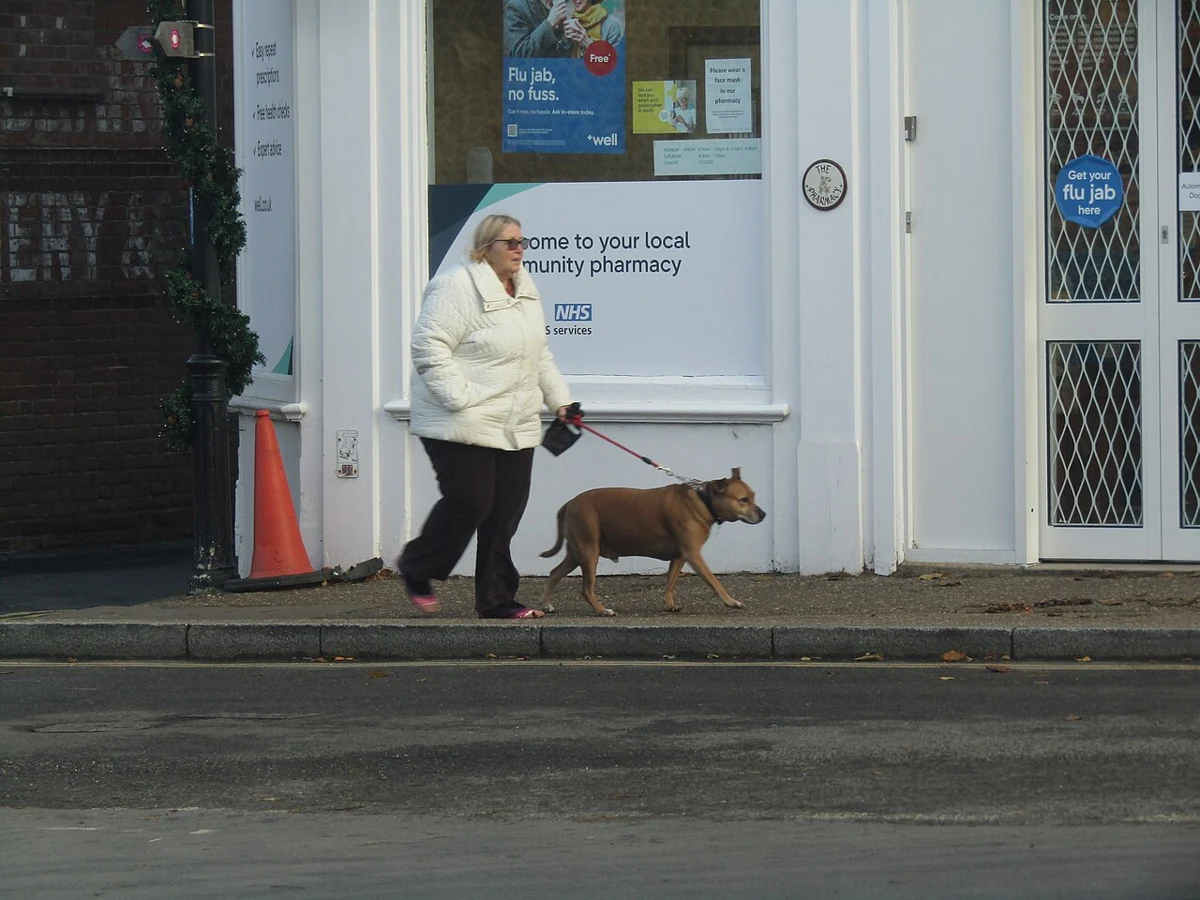
Show how the dog’s usual walking equipment is fitted and checked. Let the sitter practise the setup in a calm, appropriate situation before depending on it during an outing. Point out any worn or unreliable item and replace or address it before you leave. A written instruction cannot compensate for a clip that no longer closes or equipment the sitter has not learned to operate.
Describe suitable routes and known practical difficulties, including traffic, busy entrances, or situations the dog finds challenging. Set clear boundaries about introductions, off-lead access, transport, and unfamiliar activities. The sitter should not need to test a new arrangement to discover your expectations. Give them permission to choose a simpler safe version of an outing within the agreed plan when circumstances make the normal route impractical.
Explain doors, boundaries, and household access
Walk through the arrival and departure sequence. Show which gates and doors must remain secure, where keys are kept, and how the dog is managed while deliveries arrive. Include alarms or access procedures only through a secure channel appropriate to the sitter; do not put private access codes in a document that will be shared widely or left in a public place.
Explain which rooms are available to the dog and how to provide essential resources when boundaries are used. A closed door must not accidentally remove access to water or a planned resting place. If other animals live in the home, describe the actual separation and resource arrangements. Do not rely on the sitter to recreate a multi-animal routine from a vague instruction to keep everyone comfortable.
Describe behaviour without shorthand labels
Use specific observations about greetings, handling, other animals, visitors, and resting. A note that the dog is friendly does not explain whether they jump during arrivals, prefer space while eating, or need a quieter route past unfamiliar dogs. Describe what usually happens, what the sitter should do, and when they should seek advice rather than continuing the interaction.
Be honest about any history involving biting, escape, guarding, or severe distress. This information helps the sitter decide whether they can provide suitable care and what support is needed. Do not minimise a known concern to secure a booking. A clear plan may require a different provider, a more gradual introduction, or professional involvement. Those decisions are better made before you are away and difficult to reach.

Keep medical instructions with the right authority
Provide current veterinary contact details and any relevant existing care instructions. If prescribed medicines are part of the routine, ensure the sitter understands the actual labelled directions and any training or professional demonstration needed. Keep the instructions accurate and up to date. This guide does not supply dosing, treatment, or a substitute plan for any individual dog.
Agree how the sitter should contact the veterinary practice when concerned and what information they should have available. Ask the practice about authorisation and emergency arrangements before leaving, including any procedure they require when an owner is absent. Do not ask the sitter to diagnose a problem from a handover sheet. Their job is to follow the agreed care plan, observe, and obtain appropriate professional help.
Agree on communication that is useful
Decide how often you would like an update and what it should contain. A brief factual message about meals, walks, rest, and any difficulty may be more useful than many photographs without context. Explain how to reach you and a backup contact, including what to do if you cannot respond. Make the backup person aware of the arrangement in advance.
Keep important changes separate from routine social messages. If a sitter has a concern, they should not have to guess whether you will see it among a stream of pictures. Agree on a clear method for urgent contact while leaving clinical urgency decisions with the appropriate professionals. A communication plan should support action, not create a requirement to wait indefinitely for an owner to reply before seeking needed advice.
Rehearse a small part of the routine
Arrange an introduction and a manageable practice period where appropriate. Let the sitter find the equipment, prepare the agreed meal, or follow an ordinary departure sequence while you can answer questions. The purpose is to identify unclear instructions and practical gaps. It is not a test in which the sitter must prove they can manage a difficult situation without support.
Ask what information would make the task easier. Perhaps the key label is confusing, two food containers look alike, or the preferred route is hard to describe. Update the written handover after the rehearsal rather than assuming everyone will remember the correction. A small practical adjustment made before you leave can prevent repeated uncertainty across several days of care.
Leave the handover ready to use
Put the short daily summary somewhere accessible and show the sitter where detailed records are stored. Refill supplies, check contact information, and remove outdated instructions that could compete with the current plan. Keep personal and access information appropriately protected. A useful document should be easy for the authorised caregiver to find without becoming a general public record of your household.
When you return, ask which parts were clear and which needed interpretation. Use that feedback to improve the next handover, particularly if different people may provide care later. The best result is not a document that predicts every possible event. It is a familiar routine explained well, with reliable supplies, realistic boundaries, and a clear way to get help when ordinary instructions are not enough.
Sources & further reading (2)
References and further reading. These do not replace advice from a veterinarian who knows your cat.
- Creating a good home for your dog — RSPCA
- First-time dog owner guide — Blue Cross