
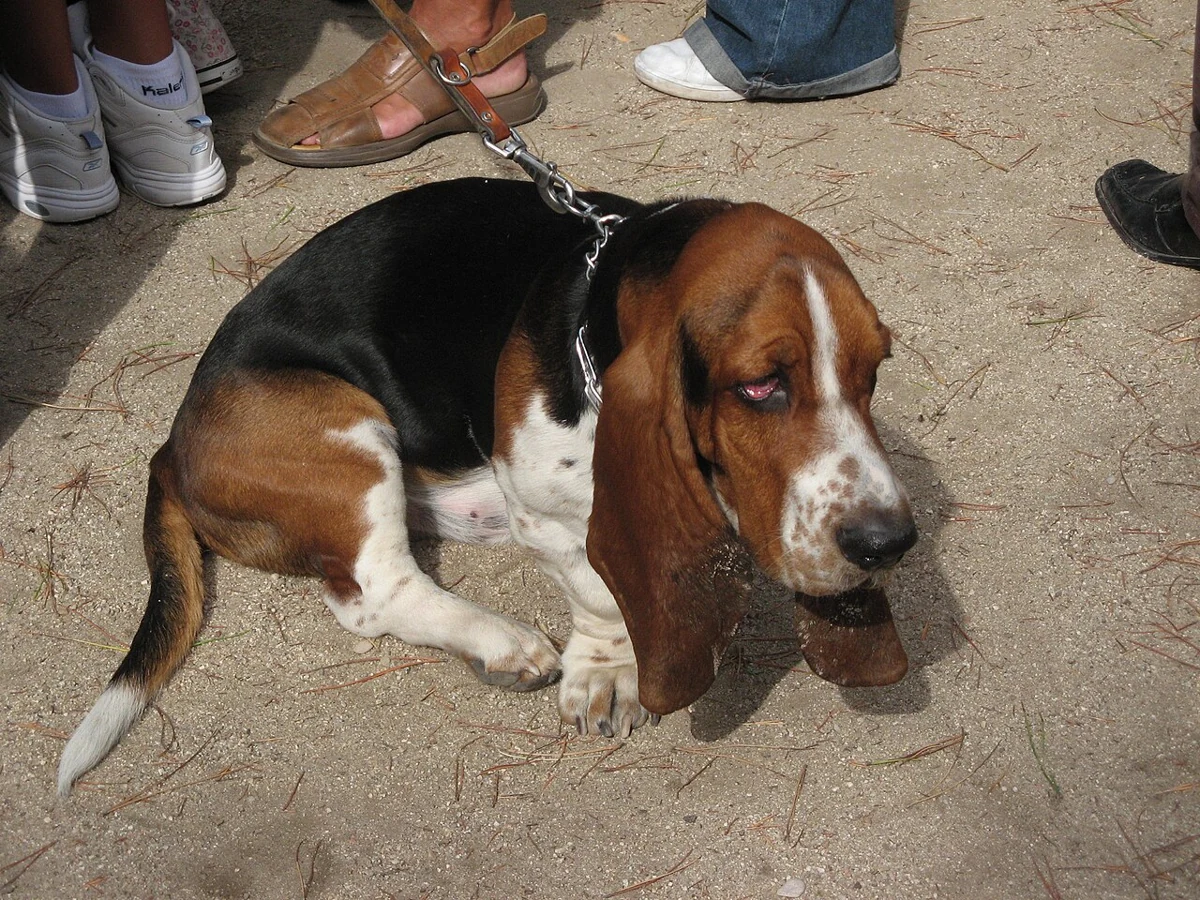
A dog photograph can tell you what caught your attention. It cannot show the full daily commitment behind that appearance. Choosing a companion becomes more useful when you compare the individual dog’s needs with an ordinary week in your household, including the inconvenient parts you cannot remove by enthusiasm alone.
Breed information can help you form questions about likely characteristics and care, but it is a starting point rather than a personal guarantee. Consider age, size, coat, history, behaviour, and the information available about the individual. The aim is a thoughtful match you can support over time, not a prediction that one breed name will make every part of ownership straightforward.
Write down an ordinary weekday
Describe when people leave, return, prepare meals, exercise, rest, and sleep. Include school runs, shift work, stairs, transport, and periods when the home is quiet. Avoid writing the ideal holiday version of the week. A dog will live with the routine you can sustain after the initial excitement, so that routine deserves an honest place in the decision.
Identify where help would be needed and whether it is reliably available. A neighbour who occasionally enjoys walking dogs is different from an agreed care arrangement. If work patterns change, consider the alternative before committing. The exercise is not about finding a life with no difficulties; it is about noticing which needs require a practical solution rather than hoping that the dog will simply adapt.
Separate body size from the whole activity picture
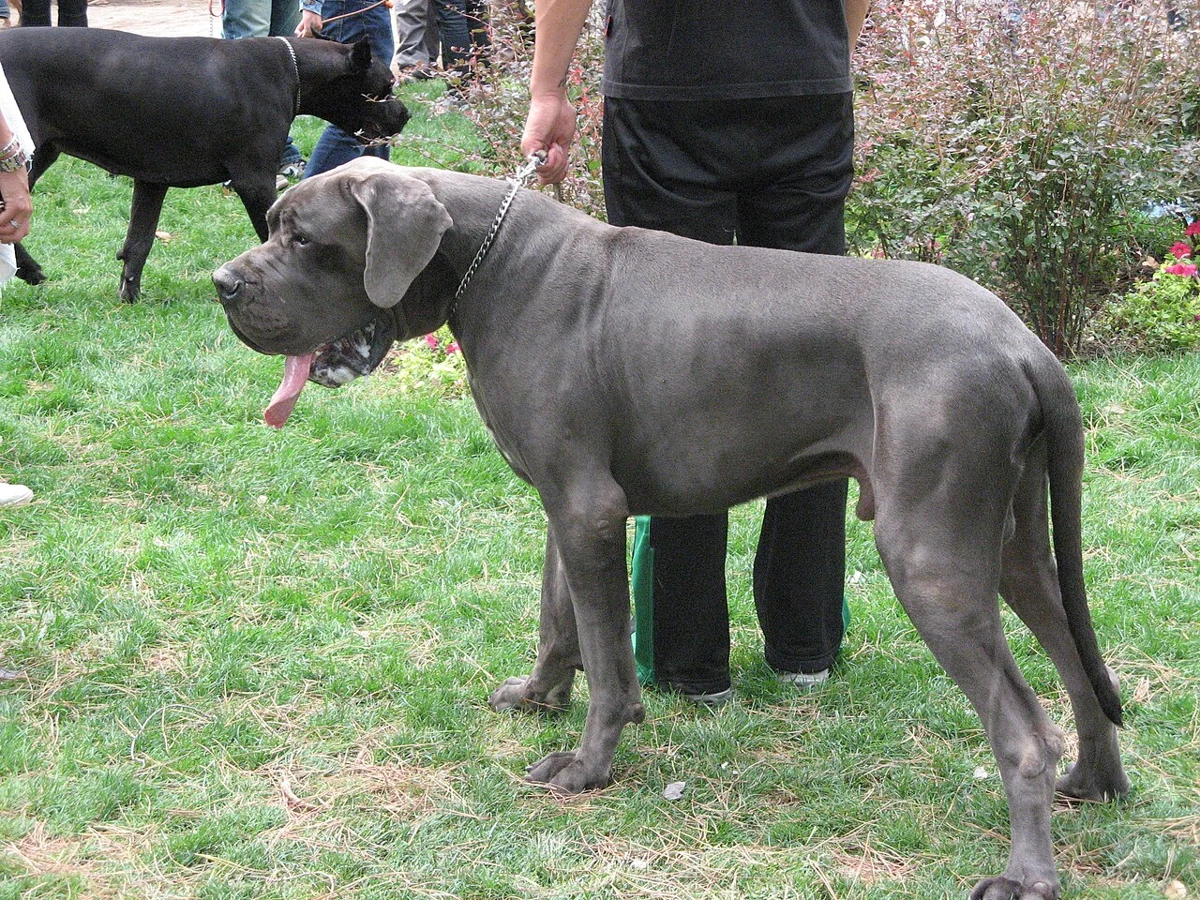
Size affects transport, lifting, equipment, space, and some practical costs. It does not provide a complete measure of how a dog will use the day. A small dog still needs suitable activity and opportunities to learn, while a larger dog may have a different combination of preferences and limitations. Ask about the individual rather than turning size into a shorthand for easy or demanding.
Walk through the home with that body size in mind. Consider narrow entrances, vehicle access, the space beside a bed, and whether a caregiver could manage an unexpected practical difficulty. You do not need a vast house to make thoughtful decisions, but you do need usable arrangements. A floor plan that fits a bed is only one part of a home that supports comfortable everyday movement.

Examine your expectations about exercise
Write down the activities you enjoy consistently, not only those you hope a dog will inspire you to begin. Include weather, daylight, transport, and your own mobility or energy. If weekend adventures appeal to you, ask how the dog will be supported on the other days. The routine should not depend on a person suddenly developing a lifestyle they have not previously maintained.
Research the relevant breed background and talk with knowledgeable organisations, while keeping individual variation and appropriate veterinary advice in view. Do not use a general breed description as an exercise prescription. Ask what the particular dog currently enjoys, how they respond to different surroundings, and what support is needed. That information can help you design a realistic beginning instead of committing to an activity target chosen from an attractive story.
Put grooming time on the calendar
Coat appearance can hide a substantial maintenance commitment. Ask what ordinary brushing, professional grooming, cleaning, and equipment the coat may require. Find out whether the dog currently accepts those activities comfortably and what preparation has been useful. A coat that looks tidy in a photograph may have needed work immediately before the picture was taken.
Consider your own ability to provide or arrange the routine. Long sessions may be difficult because of time, mobility, or the dog’s tolerance. Professional help can form part of a plan, but it needs a realistic budget and suitable availability. Avoid choosing a coat type on the assumption that you can solve every difficulty later with a dramatic haircut. Maintenance should support comfort, not become a recurring crisis.
Compare age and history thoughtfully
A puppy brings a different set of practical demands from an adult dog, including extensive supervision, learning, and changing needs. An adult may have more observable habits and history, but a new home is still a change. Neither choice guarantees a simple transition. Ask what is known, what remains uncertain, and what support the organisation or responsible provider offers after the dog comes home.
Do not dismiss an individual because their history does not fit a neat story. Equally, do not minimise a known concern because you feel strongly drawn to the dog. Describe your actual household and ask whether the match appears suitable. A careful organisation should want useful information from you as well as provide information about the animal. Honest uncertainty is preferable to a confident promise nobody can support.
Include everyone who shares the space
Discuss expectations with the people who will live with the dog, including who is responsible for care. An adult should not assume that a child’s initial enthusiasm will provide a complete long-term plan. Consider visitors, resident animals, and any household member who needs particular arrangements around noise, movement, or contact. Give those needs space in the decision before the dog arrives.
Think about physical boundaries and resting areas. Can the dog have undisturbed space? Can other animals retain access to essential resources? Can visitors enter without creating an unmanageable rush at a doorway? These questions do not require predicting every future event. They help identify whether the home can support a clear, safe routine while people and animals learn about one another.
Build a budget around categories, not a single purchase
List food, equipment, routine veterinary care, grooming, training support, transport, and arrangements for absence. Ask local providers for actual costs where appropriate rather than relying on a universal online figure. Include a plan for unexpected needs and discuss relevant options with qualified providers. Do not assume that a smaller initial acquisition cost makes the whole commitment inexpensive.
Compare how different characteristics affect that list. A larger body may change equipment or transport requirements; a particular coat may need more professional maintenance. Keep those practical differences separate from claims that a breed is always cheap, healthy, or easy. A useful budget is a set of categories you understand and can support, with a realistic way to respond when circumstances change.
Make meetings informative without treating them as auditions
Ask the organisation how to meet the dog appropriately and what you can learn from the available setting. A single encounter provides useful observations but cannot recreate every part of life at home. Notice comfort, interaction, and how the dog responds to ordinary changes without deliberately provoking a difficult reaction. Follow the provider’s guidance about handling and introductions.
Bring your question list and be prepared to explain your routine accurately. Ask what follow-up support is available and what the process involves if concerns emerge. Do not try to prove compatibility through an intense burst of touching, play, or exposure to unfamiliar people. A thoughtful meeting makes room for observation and conversation rather than requiring the dog to demonstrate an ideal personality immediately.
Choose a sustainable match rather than a perfect label
After gathering information, compare the dog’s needs with the routine and support you have described. Separate needs you can meet now from those that require a concrete arrangement. If an important gap remains unresolved, take more time or consider a different match. Waiting can be a responsible part of choosing, rather than a failure of commitment.
Keep the decision centred on the individual and the life you can offer. Breed research, a careful meeting, and practical planning each contribute something different. None creates certainty, but together they can support a more informed choice. The strongest beginning is a realistic household prepared to keep learning about its companion, with suitable resources and help available when the plan needs to change.
Sources & further reading (2)
References and further reading. These do not replace advice from a veterinarian who knows your cat.
- Choosing the right breed for your lifestyle — American Kennel Club
- Selecting a pet dog — American Veterinary Medical Association