
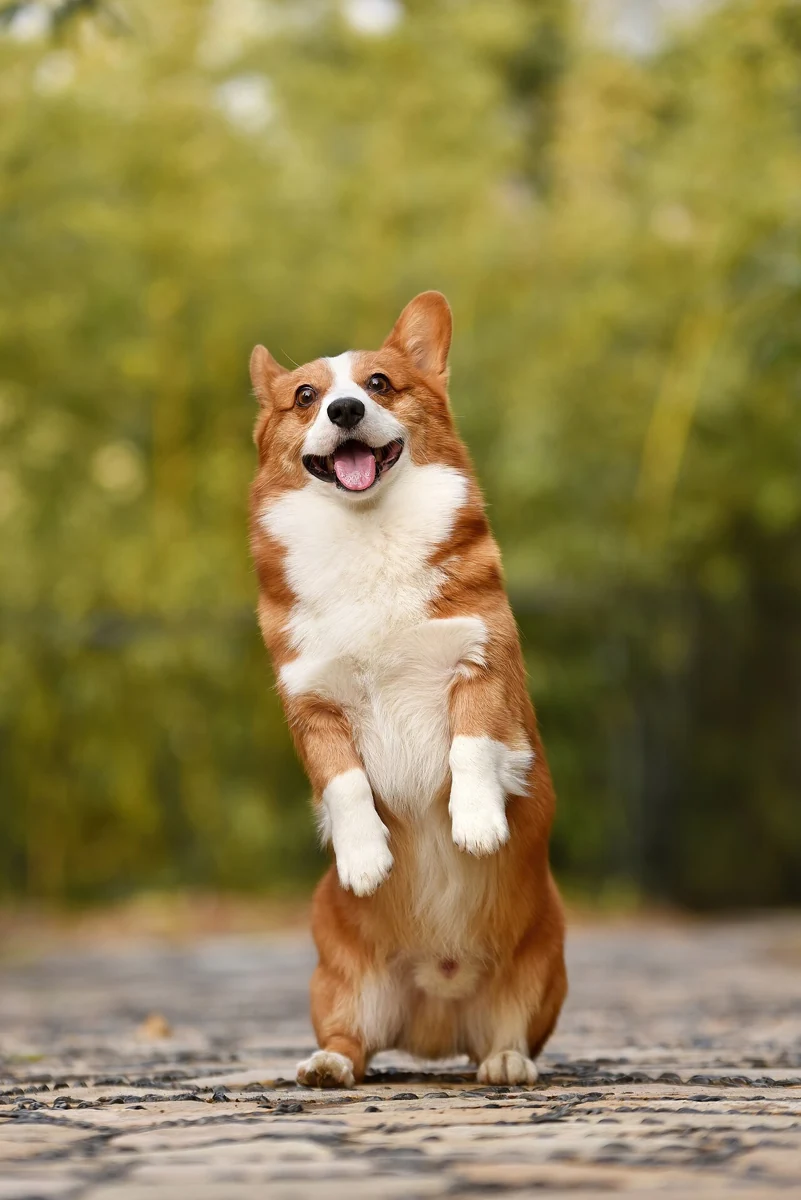
Reading a dog’s body language is an observation skill, not a dictionary in which one movement always has one meaning. A dog can turn their head, move their ears, change posture, or approach for several reasons. The setting and the sequence help explain what those movements may mean and what you should do next.
Start by watching your own dog during ordinary, comfortable activities. Notice how they rest, investigate, greet, and move away. That individual baseline is more useful than expecting every dog to resemble the same drawing. You do not need perfect certainty about an emotion to respond thoughtfully; often the practical first step is simply to pause, create space, or make an interaction easier.
Describe what happens before choosing a label
Record the action in plain terms. The dog moved behind the chair when a visitor stood up is more useful than the dog was jealous. A description keeps the observation separate from the explanation and gives you something practical to compare across situations. Include what happened immediately before the action and what the dog did after it.
For example, a dog may leave a room when a vacuum appears, when another dog enters, or when a person repeatedly reaches toward them. The outward movement is similar, but the surrounding circumstances point toward different adjustments. If you begin with a confident emotional story, you may overlook the actual trigger or remove the dog’s chosen route away while trying to solve a problem you have misidentified.
Look at the whole body and its movement
Consider posture, muscle tension, head movement, ears, tail, mouth, and the dog’s ability to move comfortably. No single feature supplies the whole answer. Coat, anatomy, lighting, and the viewing angle can also affect what you see. A photograph may be helpful, but it captures only one moment from an interaction that was developing over time.
Watch the transition between positions rather than concentrating entirely on a pose. Does the dog move freely and choose to return, or become increasingly still while a person continues approaching? Does the interaction remain flexible, with natural pauses? Those patterns can help you decide when to stop adding stimulation without needing to assign an exact emotional word to every part of the sequence.
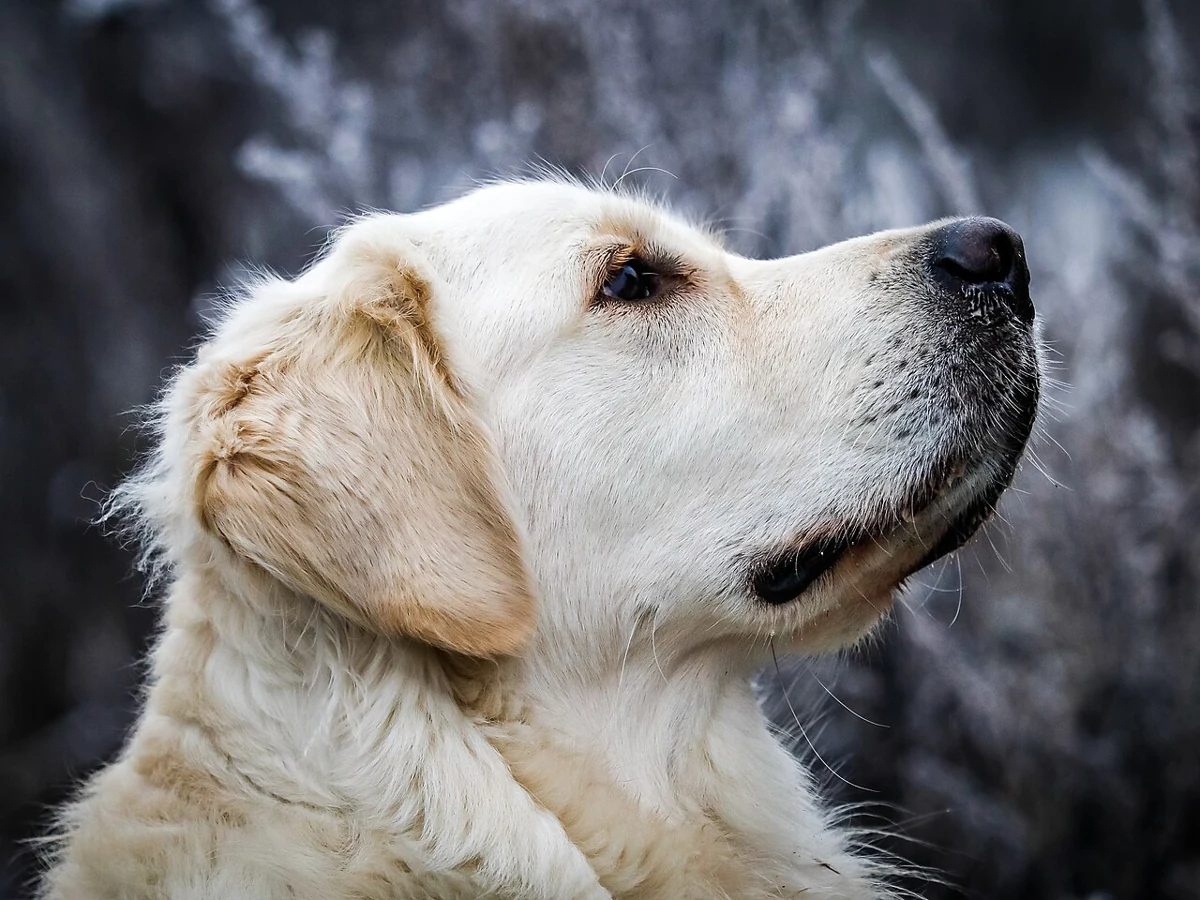
Do not treat a wag as complete permission
A moving tail does not by itself establish that close contact is welcome. Look at the rest of the dog and the context of the meeting. An unfamiliar dog should not be approached on the assumption that a visible wag guarantees a friendly greeting. Ask the responsible person, give space, and allow the interaction to remain optional where appropriate.
The same caution applies to familiar dogs. A dog may be interested in a person while also preferring less handling or a different distance. Pause before reaching, especially when the dog is eating, resting, or focused on something else. Giving the dog a practical way to decline is more useful than repeatedly testing whether a single appealing signal can justify additional contact.
Value small attempts to create distance
Turning away, stepping back, moving behind an object, or leaving an interaction can be useful information. Respond before the dog has to communicate more strongly. Stop reaching, reduce the intensity, or allow a clear route to another comfortable place. You do not need proof of severe distress before making an ordinary interaction less demanding.
Avoid following a dog simply to complete a greeting. If leaving leads to being pursued, moving away becomes less effective. In a household example, a visitor can remain seated while the dog chooses whether to return, rather than walking after them with a treat held out. The change is small, but it preserves choice and makes the person’s behaviour easier for the dog to predict.
Observe greetings without staging a test
Let a greeting begin calmly and avoid crowding a dog from several directions. A brief approach may be followed by sniffing, a pause, or leaving. The interaction does not have to become a prolonged touching session to count as successful. If you offer a familiar form of contact, pause and see whether the dog seeks more rather than continuing until a clear objection occurs.
Do not provoke a response for a video or to demonstrate that the dog is safe. Repeating a disliked action while watching for a reaction creates unnecessary pressure and does not establish how the dog will respond in every future situation. A useful observation comes from ordinary events managed thoughtfully, not from an escalating series of tests performed to obtain reassurance.
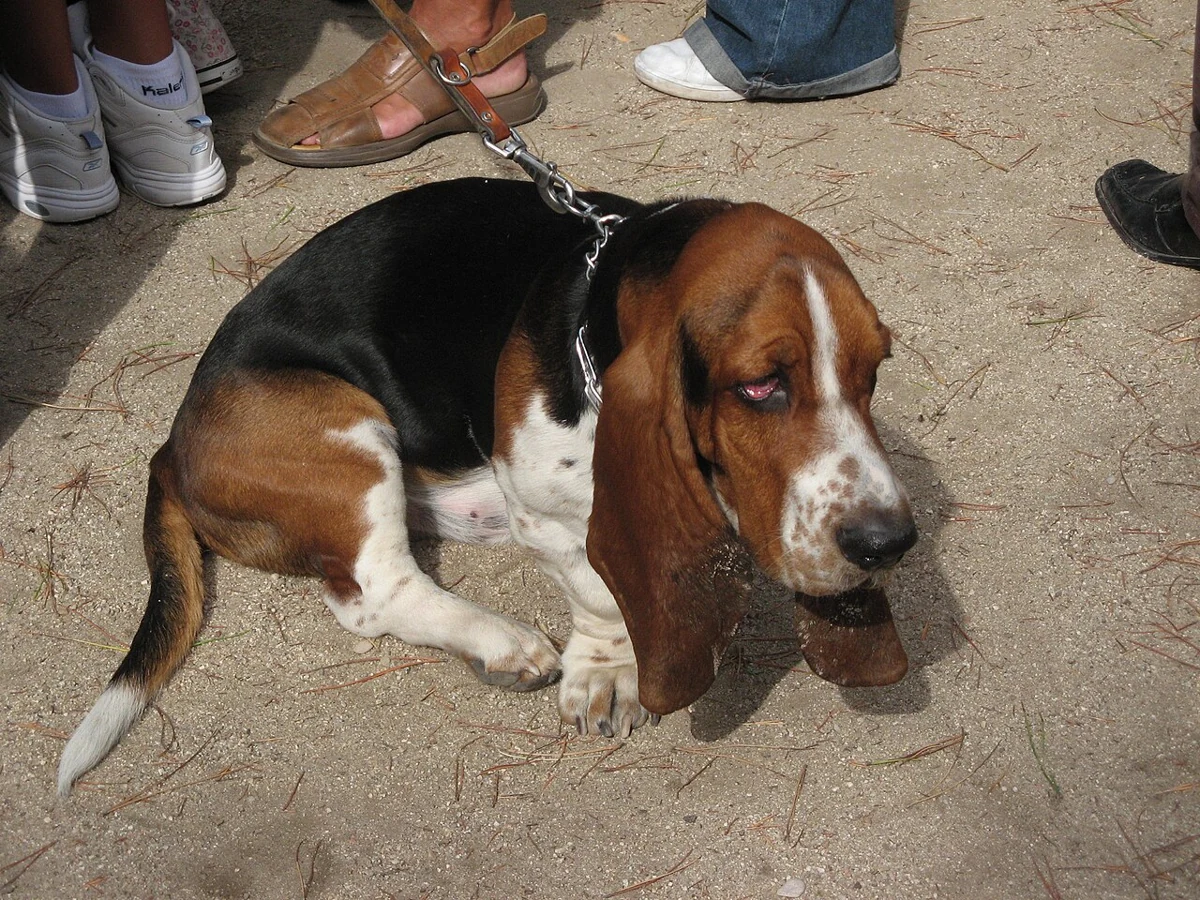
Look for reciprocity during play
Watch whether the participants can pause, move away, and choose to return. When several dogs are involved, avoid assuming that everyone enjoys the interaction simply because one dog remains enthusiastic. Look for unequal participation, persistent pursuit, or a dog repeatedly seeking cover. Give the animals space and appropriate separation when the interaction stops looking manageable.
During play with people, keep hands and clothing separate from the intended toy and watch changes in intensity. If the dog finds it difficult to pause, reduce the difficulty and finish calmly. Do not add faster movement solely to make the dog tired. An enjoyable game should be compatible with a comfortable return to ordinary household activity, rather than ending only when somebody becomes overwhelmed.
Teach household members a simple response rule
People do not need to memorise a complex chart before they can behave more thoughtfully. A practical rule is to observe first, keep contact brief, and pause if the dog’s response becomes uncertain. Show children how to give space and involve an adult before approaching a resting or occupied dog. Supervision should include action before an interaction becomes difficult, not just watching from across the room.
Agree on undisturbed resting areas and make sure the dog can reach them. Visitors should know that following the dog into that space is not part of the greeting. The environment should support the communication you want people to notice. A signal to leave is less useful if the only route away leads through another group of people or past a resource another animal is guarding.
Take changes in familiar behaviour seriously
If a dog suddenly avoids a previously comfortable activity, reacts differently to touch, or changes ordinary movement and interaction, consider the wider picture. Note the timing, setting, and associated changes, and discuss concerns with the veterinary team. Do not repeatedly reproduce a response to prove that the dog is uncomfortable. A calm account can help the professional decide what assessment is needed.
Persistent fear, aggression, or behaviour that puts someone at risk needs appropriate professional support. A general article cannot establish a cause or create an individual treatment plan. Keep safety arrangements reliable while getting help, and avoid punishment intended to remove a warning signal. The useful goal is to understand and improve the situation, not merely make the visible communication disappear.
Keep a short, practical observation record
For a recurring concern, note the place, people or animals present, activity, distance, visible changes, and what happened next. A few clear examples can help identify patterns you otherwise remember only as a general feeling. If you take a naturally occurring video, do so without provoking the behaviour and keep the recording appropriate to the professional helping you.
Use the record to choose manageable environmental changes and better questions. Perhaps a resting place needs more privacy, greetings need a calmer start, or a busy route needs another option. You do not have to interpret every signal perfectly to improve everyday life. Watching carefully, preserving choice, responding early, and seeking qualified help when needed provide a more useful foundation than any promise to translate a dog’s mind from a single movement.
Sources & further reading (2)
References and further reading. These do not replace advice from a veterinarian who knows your cat.
- Living happily together — Dogs Trust
- Understanding your dog’s behaviour — RSPCA