
Focus on access to places the cat already values
An older cat may still want a sunny perch, a favorite chair, or the same resting spot near a person, even if the route has become harder. Start by noticing which places the cat uses less often, hesitates before reaching, or now approaches by a different route. The goal is to make those valued places easier to reach without assuming every change is “just age.”
The 2021 AAFP Feline Senior Care Guidelines discuss changes in mobility and the need for enhanced care at home as cats age. They are written for veterinary professionals, so this article translates the idea into a household observation checklist rather than a diagnosis. Ask a veterinarian to assess new stiffness, reluctance to jump, altered grooming, or changes in eating and toileting.
Reduce the effort between essentials
Place food, water, resting areas, and litter where the cat can reach them without a long stair climb or a jump onto a slippery surface. If the home has multiple floors, consider an accessible resource on the level where the cat spends time. A low-entry litter tray may help a cat that has trouble stepping over a high side, but keep the tray stable and large enough for comfortable turning. Avoid making it so shallow that litter scatters everywhere or the cat feels exposed.
Create intermediate steps to favored furniture or perches. A sturdy pet step, low bench, or securely anchored ramp can reduce one large leap into several manageable movements. Check that the surface does not slide and that there is enough room for the cat to turn around. Do not improvise a stack of unstable boxes. If the cat avoids the new route, reposition it and observe rather than lifting the cat onto a height they no longer choose.
Add traction to smooth routes with washable, non-slip rugs. Secure corners so a rug cannot fold or bunch underfoot. Keep paths free of clutter, and place a night light near stairs if the cat is active after dark. Provide a warm, quiet resting area with easy access and no need to navigate a busy corridor. Older cats still benefit from choices: a covered low retreat, an open bed, and a perch with a safe approach can serve different preferences.
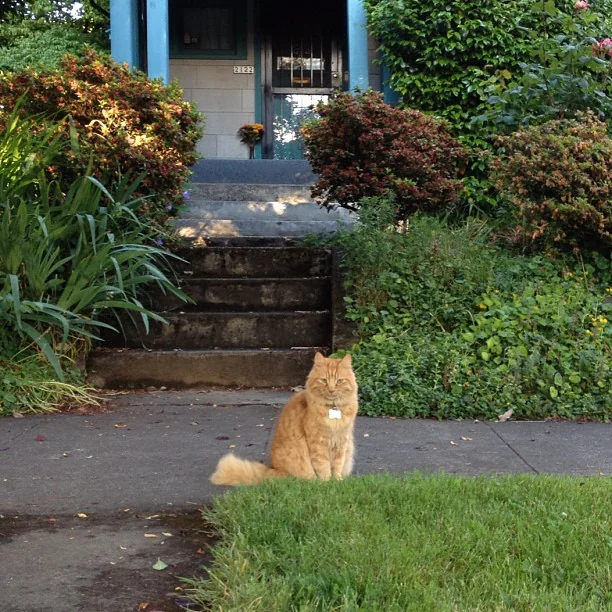
Keep routines familiar and flexible
Try to keep resource locations predictable. If you need to move furniture, preserve one route and one resting place while making other changes gradually. Use a regular, gentle grooming check to notice areas the cat may no longer reach easily, but stop if handling causes discomfort. Choose play that fits current mobility, such as a toy moved along the floor, with breaks and an option to disengage.
Record changes in a simple weekly note: where the cat jumps, whether they use stairs, grooming habits, appetite, litter use, and interactions. A gradual pattern can be easy to miss from day to day. The note is not a health score; it gives your veterinary team concrete examples. Do not start pain medicines, supplements, or a new diet based on a home checklist.
Ask for veterinary input when function changes
Schedule a veterinary conversation if the cat stops jumping to a familiar place, seems painful when touched, has trouble using the litter tray, loses or gains weight, or changes eating or drinking habits. Sudden weakness, difficulty breathing, or inability to urinate needs urgent veterinary attention. The AAFP guidelines emphasize regular professional assessment for older cats; a home modification should support care, not replace it.
A small accessibility audit
- Can the cat reach essentials without jumping or climbing stairs?
- Are steps, rugs, and ramps stable and non-slip?
- Is the litter entry comfortable and the route private?
- Can the cat reach a familiar resting place without being lifted?
- What changed recently, and can you describe it to the veterinarian?
Make one practical adjustment at a time and see whether the cat uses it. The best setup preserves choice and familiar routines while making everyday movement less demanding.
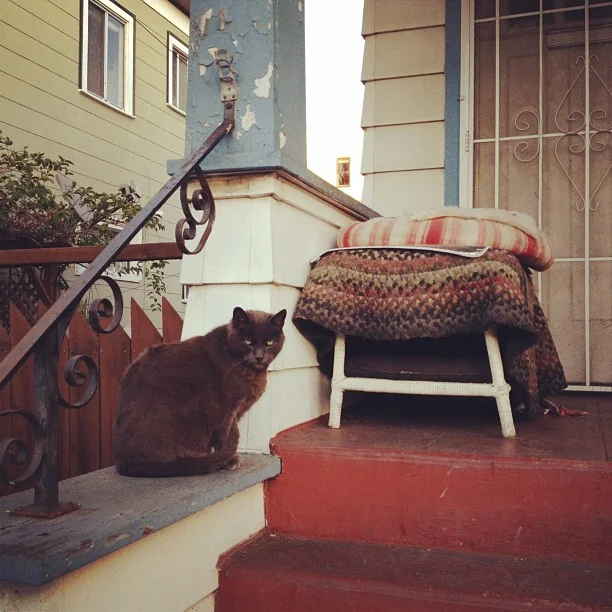
Trace the journey between the cat’s favorite places
Begin with the places the cat already values: a bed, a window, a preferred room, and the route to food, water, and litter. Watch how they move between them rather than deciding in advance that all older cats need the same arrangement. The most useful adjustment may be removing an obstacle from a familiar route rather than adding new equipment.
Look at changes over time. Hesitating before a jump, using a different route, or sleeping in a new place can be worth discussing with your veterinary team. Do not assume these changes are simply inevitable aging. An environmental improvement can support comfort while professional assessment addresses the reason function has changed.
Record specific observations and their timing. A note that the cat stopped using the upstairs bed after a particular week is more useful than “slowing down.” Include appetite, litter habits, grooming, and response to touch where relevant. You do not need to diagnose the change yourself to provide a clear history or make immediate access easier.
Make a familiar destination easier to reach
Consider stable intermediate surfaces, appropriate steps, or a lower alternative where the individual needs them. Check the route down as carefully as the route up. A cat may climb onto a surface but struggle to descend comfortably. Keep landing spaces clear and avoid loose rugs or unstable furniture in the travel line.
Follow product installation instructions and choose arrangements that remain secure during ordinary use. A soft-looking step that shifts under weight can create uncertainty. Avoid placing food or another incentive somewhere difficult to reach in an attempt to encourage exercise. The aim is accessible choice, not persuading the cat to demonstrate a movement that may be uncomfortable.
Keep preferred lower resting areas available even when you adapt a higher route. Familiar bedding and location may matter more than an elaborate new bed. Let the cat decide which option to use. If they continue avoiding a former favorite, discuss that observation rather than repeatedly placing them there to remind them what they are missing.
Review resources as a connected system
Food, water, and litter should be reachable without unnecessary travel or competition. In a multi-level home, consider whether resources in more than one area would help, while keeping appropriate separation and hygiene. Ask the veterinary team about individual needs rather than applying a universal rule about feeding height or tray design.
Check entry height, usable space, and footing around litter areas. A tray can be clean yet difficult to enter or turn within. New accidents need veterinary advice as well as a layout review. Do not punish the cat or assume an access change alone explains every toileting problem. Observe what the cat can do comfortably and report changes promptly.
In a multi-cat home, assess whether another animal controls a convenient route or resource. A less mobile cat may be particularly affected by a narrow doorway or a single desirable resting area. Provide genuinely separate choices where needed. Several resources beside one another may still form one location a more confident cat can control.
Keep routines understandable while making changes
Change one practical feature at a time where possible and preserve the familiar landmarks around it. Moving every bowl, bed, and tray on the same day can make the home harder to navigate. Show the new option through quiet availability rather than lifting or chasing the cat from place to place. Allow them time to investigate at their own pace.
Keep a concise care note for other household members and sitters. Include current resource locations, accepted handling, prescribed care instructions, and the changes being monitored. A visitor should not undo a useful adjustment because the old furniture arrangement looks tidier. Consistent access matters across the whole week, not only when the primary carer is present.
Review the arrangement with your veterinary team as needs change. Home adaptations support care but do not replace assessment of pain, illness, or altered function. The practical measure of success is easier access to ordinary activities and comfortable rest. A good plan preserves the cat’s existing preferences wherever possible, while responding to observed needs instead of treating age as a complete explanation.
Sources & further reading (2)
References and further reading. These do not replace advice from a veterinarian who knows your cat.
- 2021 AAFP Feline Senior Care Guidelines — Journal of Feline Medicine and Surgery
- 2021 AAFP Feline Senior Care Guidelines: FelineVMA resource — Feline Veterinary Medical Association