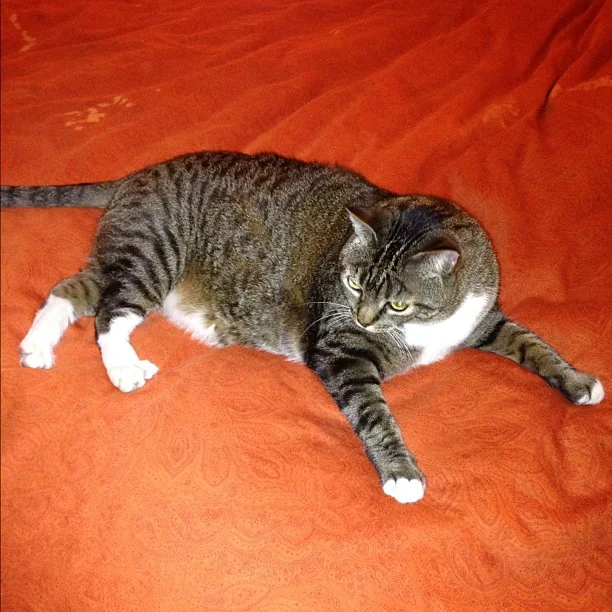
Open trays, covered boxes, high-sided designs, and automatic systems solve different owner problems. The most useful starting point is whether the cat can enter, turn, dig, and leave comfortably. External dimensions and a stylish finish do not establish usable space.
Make a practical comparison
Check entrance height, internal floor area, ventilation, and how you will clean the corners. A high entry may be difficult for a small kitten or a cat with mobility problems. A cover can create a confined route, especially where another cat waits nearby.
Think about failure modes
For an automatic design, read safety instructions, cat size and age restrictions, maintenance needs, and what happens during a fault. Keep an appropriate conventional option while assessing acceptance. This is category education, not a product endorsement.
Do not replace every tray at once just because a new design is convenient for people. Offer a choice and monitor actual use. Persistent avoidance or new accidents warrants investigation of health and environment. A successful tray is one the individual cat uses comfortably and the owner can keep clean. The best design on paper is still unsuitable if it creates an awkward entrance, trapped route, or cleaning routine you cannot maintain.
Start with the cat who will enter the box
Before comparing shapes, watch your cat approach and turn in the current tray. Does the cat step fully inside, balance on an edge, or leave part of the body over the rim? Can they turn around without touching every wall? A box that fits neatly in a corner may still be awkward for its user. Measure the available floor area, but also consider the space the cat needs to move.
Think about age, body size, mobility, and confidence separately. A small cat may dislike a narrow opening; a larger cat may use a low entrance easily but need more turning room. A senior cat’s needs can change without a dramatic decline elsewhere in the home. Avoid choosing entirely from a product photo that shows the tray empty, because the meaningful test is how the cat can use it.
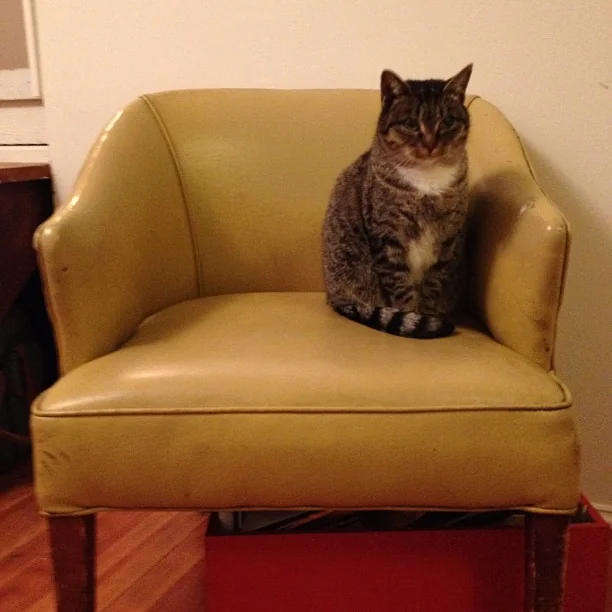
Open trays offer a clear view and simple access
An open tray is easy for a caregiver to inspect and usually has fewer parts to wash. It also lets the cat see the surrounding room. The tradeoff is that scattered litter and waste are visible, so placement and a practical cleaning routine matter. Choose a tray because it gives the cat room and fits the household, not because open designs are inherently suitable for every animal.
Compare the entrance with the other walls. A low front can help a less mobile cat while higher side walls contain some digging. The floor around it still needs room for an ordinary approach and exit. A tray wedged between a washing machine and a wall may technically be open at the top while offering little usable escape space at cat level.
High-sided boxes solve only some kinds of mess
Tall walls may help contain enthusiastic digging or urine directed toward an edge. Check that the cat can enter without jumping over an unnecessarily high barrier. Some designs combine high sides with a lower doorway, which can be useful when access and containment both matter. The cat still needs enough floor area to turn comfortably once inside.
Do not assume a taller box will solve every spill. A cat may stand partly outside because the base is too small, the litter is uncomfortable, or turning is difficult. Observe the whole visit before buying another high wall. If urine regularly reaches outside a previously suitable tray, discuss new discomfort or toileting changes with the veterinary team as well as checking the equipment.
Covered boxes add privacy for people and complexity for cats
A hood can hide the view from the room and contain some scattered litter. It also adds surfaces that collect residue and may make the space feel more enclosed. Look at the actual interior dimensions, entrance, and cleaning access. A roomy-looking exterior can contain a relatively small usable base once curved walls and door mechanisms are taken into account.
If a cat avoids a covered box, try an additional open option rather than insisting that privacy must be preferable. Some cats use a hood happily, while others need a clearer view or easier exit. Remove a swinging door if it interferes with access and the manufacturer’s design permits that adjustment. The deciding evidence is voluntary, consistent use, not whether the lid makes the room look tidier.
Top-entry designs require a different movement pattern
A top-entry box asks the cat to climb or jump onto the lid and descend through an opening. That sequence may be unsuitable for kittens, less mobile cats, or cats uncertain about the enclosed space. Consider both getting in and getting out. A convenient litter-catching roof for the owner is only helpful if the cat can use it comfortably at ordinary toilet urgency.
Watch the landing area and any obstacle beside the opening. A cat should not have to squeeze under shelving or jump directly toward another animal. Keep a more accessible tray available when introducing the design. If the cat repeatedly checks the opening and walks away, treat that as useful information rather than physically placing the cat inside to demonstrate what you want.
Sifting systems depend on the litter they are designed for
Sifting trays separate material through a perforated layer or a stack of components. Some work with particular pellets; others are intended for certain clumping products. Read the compatibility instructions before purchasing litter. The wrong grain size can fall through, clog openings, or leave a wet layer where you cannot see it easily.
Check how the system comes apart for washing and how heavy each section becomes during use. A design that looks efficient in a short demonstration may be awkward in your bathroom. Imagine carrying the wet parts, finding a place to dry them, and replacing the stack correctly. Evaluate that full cycle rather than counting only the seconds needed to shake a tray.
Automatic boxes need supervision and a conventional backup
Automatic cleaning does not remove the need to inspect waste, clean the unit, and notice changes in toileting. Confirm the manufacturer’s restrictions for size, age, litter, power supply, and setup. Moving mechanisms require particular care. A cat should always be able to approach and leave safely, and owners should not bypass safety systems to make a device run differently.
Keep a conventional tray available while assessing any automatic model, including during power failures or maintenance. Introduce the equipment without forcing the cat into it. Noise, movement, and a different entrance can all affect acceptance. If you need automated convenience because daily cleaning is difficult, also arrange a practical person-based backup instead of assuming the machine will handle every problem while you are away.
Compare the entire cleaning job
Look beyond the base when evaluating maintenance. Hoods, hinges, seams, drawers, mats, and scoops all become part of the routine. Can you reach corners without dismantling half the room? Can the components dry fully before refilling? Are replacement parts available? A smooth, appropriately sized tray can be more useful than a complex design whose inaccessible edges stay dirty.
Materials also affect handling. A heavy tray may be stable but difficult for one person to empty. A lightweight one may slide if the cat braces on an edge. Check stability on the actual floor, with any mat underneath. Avoid leaving a setup that rocks, catches a claw, or changes position whenever the cat enters, even if its product description lists many desirable features.
Offer choices without creating an obstacle course
When testing an alternative, keep the familiar tray usable and place the new one where the cat can approach easily. Record which option is used, how the cat enters, and whether cleaning is manageable. Give the comparison enough ordinary visits to be informative, while acting promptly if the cat appears uncomfortable or toileting changes.
Several boxes crowded together do not provide the same choice as resources in separate accessible places. Consider household traffic, noise, and other animals as part of the decision. A modest tray in a good location can work better than a premium tray behind a guarded doorway. The right type is the one that supports comfortable use and a cleaning routine you can reliably maintain.
Sources & further reading (3)
References and further reading. These do not replace advice from a veterinarian who knows your cat.
- Code of practice for the welfare of cats — Department for Environment, Food & Rural Affairs
- Indoor cats — Cats Protection
- Litter trays and toileting — RSPCA