
Design for approach and departure
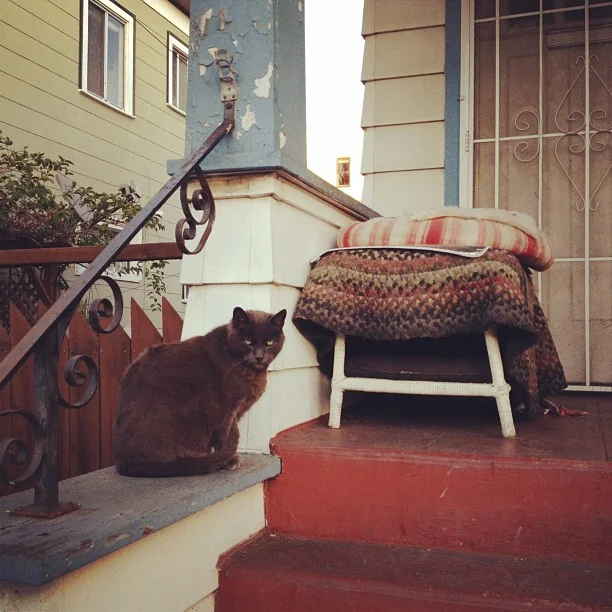
A bowl is useful only if the cat can reach it, use it, and leave without feeling trapped or crowded. Draw a quick map of the home and mark food, water, litter, resting places, and common routes. If all the bowls sit in one narrow kitchen corner, another cat or a busy person may block the whole station. Try to give each important resource a distinct location and a clear approach.
The AAFP and ISFM environmental-needs guidelines recommend separating food, water, toileting, rest, and play areas. The same resource notes that individual feeding locations can reduce competition. These are principles to adapt to the home, not a formula requiring a particular number of products. Observe the cats’ routes and preferences before moving everything at once.
Keep food and water distinct
Place the water bowl away from litter and, where practical, away from the food bowl. The environmental-needs guidelines note that food and water resources should be separated. Some cats prefer a particular bowl shape, material, or location, so make a gradual change and see whether the cat continues to use the new station. Offer a stable, easy-to-clean bowl that does not slide when the cat drinks.
Avoid putting a water source beside a noisy appliance or in a tight corner where another animal can block it. If the cat likes to drink in a quiet room, preserve access there. A fountain is not automatically better for every cat; it adds cleaning and electrical considerations. If you try one, follow its maintenance instructions and keep a clean water option available while testing the change.
Reduce competition between cats
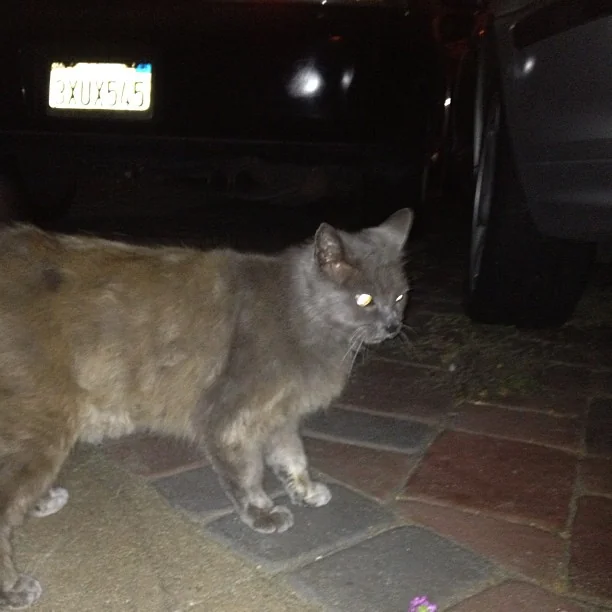
In a multi-cat household, feeding side by side can make it difficult to notice whether one cat eats less or waits until another leaves. Offer separate feeding locations with a visual barrier or room between them. Make sure each cat can retreat without passing the other. If a cat guards a doorway or station, move one bowl to a different accessible location instead of simply adding a bowl next to the first.
Use the same approach for water. Several bowls in one room may still represent one resource if a cat can control the doorway. A second station in another part of the home gives a cat another route. In a household with several social groups, consider where each group spends time and whether resources can be reached without crossing a contested area. The layout should reflect the actual cats, not only the number of animals.
Keep stations clean and easy to maintain
Wash bowls regularly with a method appropriate to the material, rinse away detergent, and refresh water. Use a washable mat if food or water spills, but keep the surface from becoming slippery. Avoid leaving old food out beyond its safe handling period; follow the package instructions and your veterinarian’s guidance for a specific diet. Store food sealed according to its label, and use clean scoops rather than returning a used scoop to the container.
If the cat’s appetite, thirst, or toileting changes, do not assume the station is the only cause. Cornell’s house-soiling guidance notes that medical problems can affect litter habits. Changes in drinking or eating may also need professional assessment. Contact a veterinarian for sudden or persistent changes; do not use a bowl redesign to treat a suspected illness.
A station layout audit
- Can the cat approach and leave without squeezing past another animal?
- Are food, water, and litter separated from each other?
- Are bowls stable, clean, and away from noisy or busy spots?
- In a multi-cat home, is there more than one accessible route to food and water?
- Have any recent changes in appetite or drinking been discussed with a veterinarian?
Make one layout change at a time and keep an eye on which station each cat chooses. A calm, accessible setup is more useful than adding equipment that is hard to clean or that the cat avoids.
Follow the route from rest to the bowl
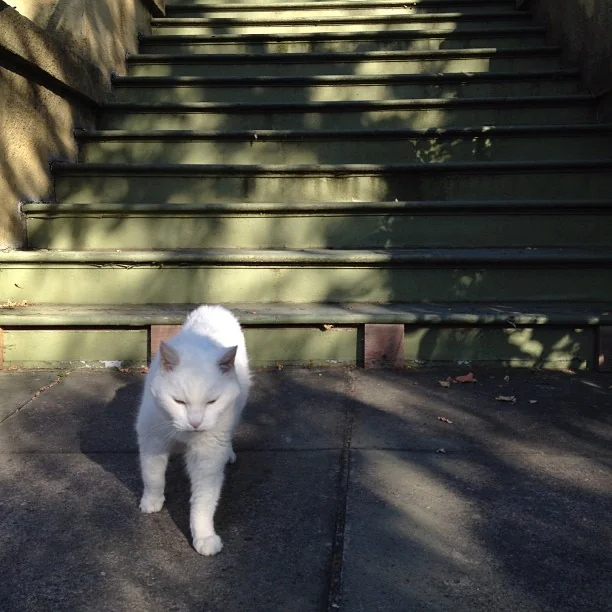
Walk through the home as though you were approaching each station at floor level. Look at doorways, noisy appliances, slippery surfaces, and places where another animal tends to wait. A bowl can be technically accessible while the route feels difficult. Record when the cat uses it as well as where it sits; a station used only after another pet leaves may reveal competition that is easy to miss.
Check whether doors are kept in the same position throughout the day. A water bowl in a room that becomes an office during working hours may disappear behind a closed door. Likewise, a feeding area beside a utility appliance may be comfortable until a machine starts. Build the plan around the ordinary household schedule rather than the calm moment when you first arrange the bowls.
For cats with mobility difficulties, consider the effort of reaching resources from favorite resting places. Ask your veterinary team about suitable adaptations rather than assuming one height or bowl design suits every individual. The goal is comfortable access and a stable position, not matching a fashionable feeding stand. New difficulty eating or approaching a bowl deserves attention beyond furniture arrangement.
Give each cat a real opportunity to eat
In a multi-cat home, several bowls placed together are not necessarily separate feeding stations. One cat may control the approach to the whole area. Try to identify genuinely distinct locations with comfortable routes and appropriate supervision during changes. Watch the quieter cat rather than judging success only by whether the confident cat eats happily.
If feeding different diets, plan how to monitor which cat eats which food. Separate rooms during meals may be useful in some homes, provided each animal is comfortable with the arrangement. A specialist feeder is another category of tool, but it still needs appropriate introduction, correct fit, cleaning, and a plan for equipment failure. Buying a device does not remove the need to observe actual intake.
Keep a simple meal record if food sharing makes intake uncertain. Note the amount offered, who was present, and what remained. Do not label a cat greedy or fussy before checking access and portions. If appetite changes or weight is moving unexpectedly, bring the record to your veterinary team. Layout can improve a feeding situation, but it cannot establish the cause of a medical concern.
Test water locations without removing the familiar option
When trying a different location or bowl, keep a familiar water option available where appropriate. Changing material, position, and water movement together makes the result difficult to interpret. Offer a modest additional choice, then observe whether the cat uses it voluntarily. Do not encourage drinking by repeatedly placing the cat beside the bowl.
Choose a stable, cleanable container and an appropriate surface. A bowl balanced on furniture may create a spill or fall hazard. Mats should not slide or become soaked unnoticed. If the cat tends to move the bowl, distinguish a lightweight container problem from an inaccessible location or a new behavior that needs investigation. Cleanup should not become a reason to restrict access to water.
Follow maintenance instructions for fountains and other equipment, including components that are not visible from above. Keep cables secure and provide an appropriate alternative during cleaning or a fault. A device running quietly is not proof that its water pathway is clean. Inspect the actual condition and build the work into a routine that everyone providing care can follow.
Write a station plan another carer can understand
For a sitter, list the location of each food and water station, which cat uses it, and how doors should be left. Include cleaning instructions and what to do if a cat does not appear for a meal. A floor-plan photograph with brief labels may be clearer than describing a bowl as the usual one. Identify storage for the correct food and avoid containers with ambiguous handwritten names.
Review the plan after moving furniture, adding a pet, changing work routines, or noticing altered access. Observe a few ordinary days before deciding that a new arrangement works. Comfortable use, appropriate intake, and straightforward hygiene are better measures than whether every bowl fits neatly into one corner. A practical layout serves the animals throughout the day while remaining manageable for the people maintaining it.
Sources & further reading (2)
References and further reading. These do not replace advice from a veterinarian who knows your cat.
- AAFP and ISFM Feline Environmental Needs Guidelines — Journal of Feline Medicine and Surgery
- Feline Behavior Problems: House Soiling — Cornell University College of Veterinary Medicine