
Bringing a cat home can make every unfamiliar sound or behavior feel significant. A short, reliable routine helps you notice meaningful changes without spending the day searching symptoms. Your veterinary team can help establish what is normal for the individual.
Keep a simple baseline
Note eating, drinking, litter use, activity, and comfortable resting. You do not need constant filming or repeated handling. Store the clinic number, out-of-hours contact, and adoption records somewhere easy to find.
Limit the daily decision load
Keep the initial food and litter familiar, provide a quiet retreat, and offer brief invitations to play or interact. Introduce changes one at a time when possible. A hiding cat may need time and space, while a cat not eating or appearing unwell needs advice rather than reassurance from an unrelated online story.
Ask the clinic which signs require an urgent call and which can be discussed at a routine appointment. If your worry is affecting sleep or daily life, seek support for yourself as well. Good care does not mean preventing every uncertainty. It means a manageable routine, an understanding of the cat’s baseline, and a clear way to get help when something changes. Allow room for both you and the cat to learn.
Separate a care routine from a constant search for certainty
Learning an unfamiliar cat’s habits involves uncertainty. You may not yet know which sleeping position is ordinary, how much social contact the animal prefers, or how they respond to a new household sound. A useful routine helps you gather that information without repeatedly testing the cat or searching online for a diagnosis after every movement.
Choose a few reliable observations: food intake, water access, litter use, comfortable movement, and ordinary rest. Keep them factual and manageable. You do not need continuous filming to provide attentive care. If an observation worries you, ask the veterinary team what it means for this individual. The purpose of the record is to support a clear response when something changes, not to create an impossible standard in which a good owner should predict every concern in advance.
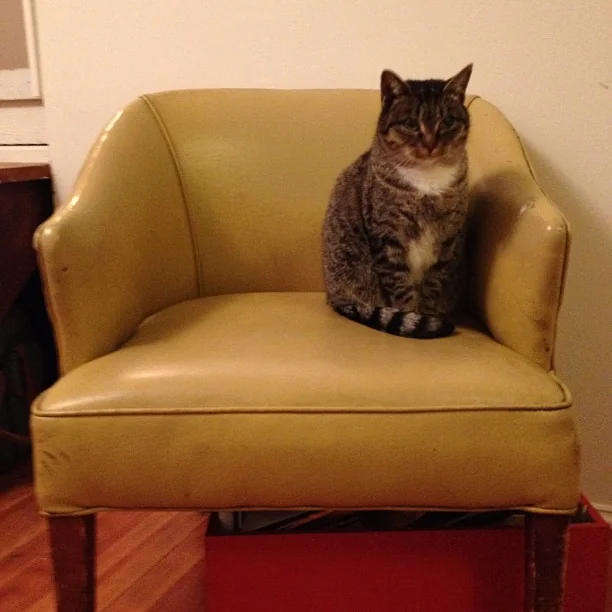
Prepare a small contact sheet before you need it
Keep the clinic’s normal number, out-of-hours arrangement, rehoming contact, identification details, and relevant records together. Ask the veterinary team which situations need an urgent call and how to describe a concern. Knowing the contact route can be more useful than collecting dozens of unrelated symptom pages.
Include transport and carrier information. Check that the equipment is suitable and accessible rather than buried under storage. If the cat has known handling difficulties, discuss them before an urgent journey is necessary. A contact sheet is not a prediction that an emergency will happen. It reduces the number of practical decisions required if help is needed and makes it easier for another household member to act without first reconstructing information from old messages.
Keep the first environment understandable
Use familiar food and litter where practical, provide a secure comfortable retreat, and introduce access gradually. A new home already changes many features at once. Replacing every product and adding a stream of visitors can create more uncertainty for the cat and make the owner’s observations harder to interpret.
Let the animal investigate at their own pace rather than lifting them between resources repeatedly. Spend quiet time nearby without making every visit a test of friendliness. A cat that remains at a distance may be gathering information, while a cat not eating or appearing unwell needs advice rather than a blanket reassurance about settling. You can respect the transition and still take meaningful changes seriously. Those responses are compatible; neither requires certainty about exactly what the cat feels.
Make shared responsibility explicit
If several people provide care, agree who checks meals, litter, doors, and appointments. Avoid a situation where everyone assumes someone else has confirmed intake. A simple shared note can record what was offered, what remained, and any unusual event. This prevents repeated checks that disturb the cat while still leaving important facts unknown.
Use clear units for food and exact names for products. Keep prescribed instructions available and do not let each person add their own supplement or calming product. If you need help, ask for a specific manageable task rather than assuming another person knows what would relieve the burden. A household routine works better when responsibility is visible and accurate, not when one anxious owner tries to monitor everything while others provide occasional unrecorded assistance.
Choose information sources for a defined question
Start with your veterinary team, the rehoming organization, and credible animal-welfare or veterinary sources. Write the question before searching. You might need to know how to prepare a carrier or what product the cat previously ate. That is different from scrolling through every possible cause of a vague behavior until one frightening explanation seems to fit.
Keep uncertainty in the answer. An online article describes general information and cannot examine the animal. Avoid comparing your cat’s entire condition with one cropped photograph or an anecdote about another household. If you have a clinical concern, take a concise factual history to the veterinary team. More browsing does not automatically improve the decision when the information needed is an individual assessment rather than another general description.
Observe without making ordinary rest impossible
Allow the cat to sleep and use hiding places undisturbed when appropriate. Repeated touching, waking, or checking inside a retreat can change the behavior you are trying to understand. Plan routine welfare checks in a way that confirms necessary care without requiring the animal to respond to you constantly.
If cameras help with a particular observation, use them as one limited tool rather than a source of endless interpretation. A short clip does not diagnose anxiety, pain, or a relationship problem. Record the relevant pattern and ask for advice when needed. The goal is a comfortable home in which ordinary activities can occur, not a continuous test environment. Good observation includes knowing when to stop watching and let the cat complete a normal period of rest.
Build practical confidence through a few repeatable skills
Learn how the carrier closes, where supplies are stored, how food is measured, and how the litter routine works. Ask for a demonstration of any necessary care you do not understand. Small practical skills can reduce uncertainty because they replace a vague responsibility with an action you can carry out reliably.
Do not begin difficult handling exercises merely to prove you can manage the cat. Prepare gradually and seek professional support where appropriate. The animal does not need to tolerate lifting, brushing, and every possible examination during the first week to establish that you are doing well. Focus first on essential care and a clear help route. As you learn the individual’s preferences, add suitable play and interaction without turning the relationship into another performance target.
Recognize when you need support too
If worry is affecting sleep, work, or ordinary life, seek appropriate personal support rather than assuming greater vigilance is the only responsible response. Share practical care where possible and discuss concerns with people who can help constructively. Caring for an animal does not require carrying every uncertainty alone.
Review the routine after a period of ordinary experience. Identify what you now know, what still needs professional advice, and which checks are no longer useful. Keep the essential contact sheet and records, but allow daily life to become less like an emergency rehearsal. The practical aim is dependable care, a growing understanding of the cat’s normal behavior, and a manageable response to change. You and the animal can learn a comfortable routine without either of you having to achieve perfection immediately.
Sources & further reading (2)
References and further reading. These do not replace advice from a veterinarian who knows your cat.
- Code of practice for the welfare of cats — Department for Environment, Food & Rural Affairs
- Indoor cats — Cats Protection