
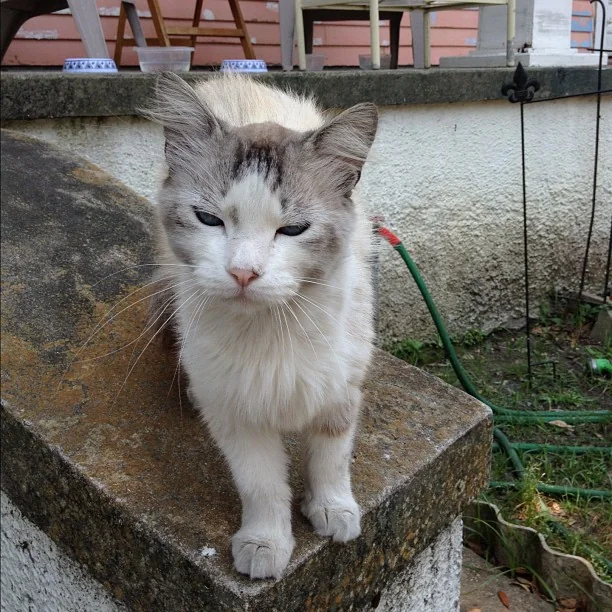
Dog food is not an appropriate long-term substitute for complete cat food. Cats have nutritional requirements that a food formulated for dogs is not intended to meet. A household with both species needs a feeding plan that prevents regular meal swapping.
Separate meals practically
Use different rooms or a barrier the animals can navigate safely under supervision. Pick up leftovers according to the food’s handling instructions. If using a raised station for a cat, ensure it is stable and accessible; elevation is not a solution for a cat with painful movement.
Handle an accidental meal sensibly
Note what was eaten, how much, and whether the product contains anything unusual. Contact your veterinarian if the cat becomes unwell, has a medical condition, or you are unsure about the ingredients. Do not deliberately continue dog food because the cat seemed to enjoy it once.
If you have run out of cat food, ask the veterinary team about a suitable short-term option rather than inventing a replacement diet. Keep a small, regularly rotated reserve of the usual food where feasible. A written feeding note helps sitters avoid confusion when bags look similar. Shared ownership of a kitchen does not mean the pets share the same nutritional plan.
Distinguish an accidental meal from a routine substitute
A cat investigating a dog’s bowl is a practical event to describe accurately, not proof that the foods are nutritionally interchangeable. Note the exact product and whether anything unusual was added. Contact your veterinary team about concerns, particularly if the cat becomes unwell, has a medical condition, or the ingredients are uncertain.
Do not continue using dog food as the main diet because the cat liked it once. The intended species and nutritional purpose matter. A product formulated for dogs should not be assumed to meet cats’ needs over time. Keep this distinction clear when discussing an incident with other carers: managing one exposure and choosing an ongoing complete diet are different questions. The appropriate long-term plan should remain centered on suitable cat food and individual veterinary guidance.
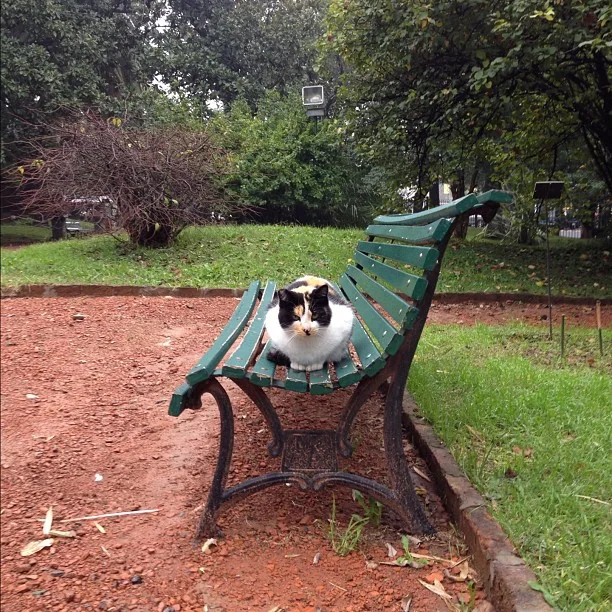
Read the species statement rather than the package style
Pet-food packaging can look similar across species, especially within one brand. Check the actual label and product name. A familiar protein flavor or shared ingredient does not establish that the completed recipes serve the same nutritional purpose. The front picture and bag color are not reliable enough for a sitter or hurried household member to use as the only identification.
Store foods with clear labels and retain original packaging where appropriate. If you decant for organization, preserve the exact product details and instructions. Avoid unmarked containers that make the intended animal uncertain. A simple distinction in storage can prevent repeated errors more effectively than explaining nutrient differences after each incident. The feeding system should make the correct choice easy on an ordinary busy day.
Observe who actually eats each portion
An empty bowl does not prove the assigned animal ate the food. Watch ordinary meals and notice swapping, hovering, or one pet waiting until another leaves. The written plan may look precise while actual intake differs substantially. Record what you can confirm and mark uncertainty rather than assigning a measured portion automatically to the intended animal.
If this occurs repeatedly, change access rather than relying only on verbal correction. Suitable separate feeding locations or supervised meals may help, depending on the individuals. Preserve comfortable routes and avoid creating distress by suddenly confining animals without preparation. The goal is appropriate food reaching the right pet, not making the kitchen a competition in which one animal must defend a bowl while the owner tries to monitor several events at once.
Choose separation that works for both animals
Different rooms can provide straightforward supervision in some homes. Other arrangements may be appropriate when introduced thoughtfully. Consider doors, barriers, the animals’ comfort, and access to water and other essentials. Do not assume placing the cat’s food high up is suitable for a cat with movement difficulties or that a dog cannot reach a particular surface.
Follow instructions for any specialist feeding equipment and observe initial use. A device needs cleaning, a fault plan, and confirmation that the intended animal can access meals reliably. It does not remove the need for a suitable nutritional plan or appropriate household management. If separation is difficult, explain the actual layout and relationships to the veterinary team or an appropriate professional rather than improvising a setup that only works while someone watches continuously.
Keep leftovers and feeding times clear
Follow each food’s handling directions and the agreed feeding plan. Do not leave leftovers available indefinitely if that creates repeated access to another pet’s diet or conflicts with safe storage instructions. Keep bowls and serving equipment appropriately clean and identify which product belongs to which routine.
If animals prefer different meal patterns, ask for help designing a workable arrangement. A cat’s habits do not need to be forced into a dog’s schedule without considering individual needs. Equally, convenience does not justify unrestricted swapping. Record the practical difficulty and discuss suitable options. The useful plan accounts for what happens between supervised meals, not only the moment when the owner places two clearly labeled bowls on the floor.
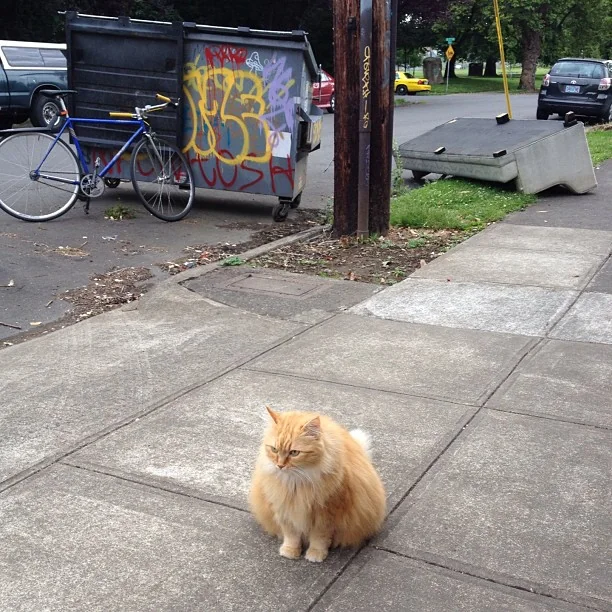
Include treats, toppers, and training food
The main meal is not the only possible source of confusion. Ask household members and visitors not to offer another animal’s treats or meal additions without checking suitability. Keep the cat’s daily allowance and any medical dietary instructions visible. A small extra repeated by several people can become a regular part of intake.
Do not assume a product intended for dogs is automatically appropriate for a cat because both animals enjoy the flavor. Ask your veterinary team about an uncertain product, especially where a condition or controlled diet trial applies. Preserve the exact package information. A clear feeding history includes ordinary extras as well as large meals, and prevents a careful main-diet plan being altered through several well-intended unrecorded additions.
Plan supply so a substitute is not chosen in a rush
Keep track of suitable cat food and purchase in time where practical. A modest appropriate reserve can help, provided it is stored and rotated correctly. If the usual product becomes unavailable, ask your veterinary team about suitable alternatives rather than treating the dog’s supply as an indefinite solution.
Explain the exact cat food, life stage, and any medical needs when asking. A replacement should fit the purpose of the diet, not only be available nearby. For a cat following a therapeutic plan, coordinate substitutions with the clinician managing it. Planning for a supply problem is more useful than building a list of improvised meals from household ingredients. Nutritional adequacy is not established by a food’s resemblance to something the cat has previously eaten willingly.
Keep individual health concerns separate from household convenience
If the cat is seeking other food because appetite has changed, record the wider pattern and seek veterinary advice. Note weight, thirst, vomiting, stool, movement, and eating comfort where relevant. Do not explain a meaningful change solely as a taste preference. Likewise, a dog eating the cat’s meals can have implications for the dog’s care and should be discussed appropriately.
The household needs two individual plans, not one compromise diet chosen because it simplifies shopping. Ask about practical constraints honestly. Cost, storage, meal timing, and limited space can be discussed without pretending the species distinction does not matter. Appropriate care should be sustainable, but sustainability comes from a workable arrangement and suitable products rather than assuming every pet can share the same nutritional solution.
Leave instructions another carer can follow
Write the exact food, portion, timing, location, and leftover routine for each animal. Show a sitter how access is managed and where original packaging is kept. Include what to do if swapping happens or one animal does not eat. Avoid vague instructions such as feed both as usual.
Review the arrangement when animals, diets, or household schedules change. The practical answer to the original question is straightforward for ongoing care: a cat should receive an appropriate complete cat diet, not dog food as a routine replacement. The useful extra work is making that plan real in a shared home, with clear storage, manageable access, accurate observation, and timely individual advice when something changes.
Sources & further reading (3)
References and further reading. These do not replace advice from a veterinarian who knows your cat.
- Feeding your cat — Cornell University College of Veterinary Medicine
- Proper storage of pet food and treats — FDA
- Reading pet food labels — AAFCO